

Similes are one of the most beautiful tools in language because they help us understand the world by comparison. When ideas feel abstract or technical, similes make them human, visual, and emotional.
In figurative language, similes act like bridges, carrying meaning from the familiar to the complex. Even modern concepts such as screen vs monitor vs display can become vivid symbols when viewed through creative comparison.
These terms may seem technical, but they also represent strength, growth, resilience, wisdom, clarity, and human connection in today’s digital life. By using similes, writers can turn everyday technology into imagery that feels alive and meaningful.
This article explores how similes transform comparison into insight, blending language, emotion, and imagination in simple, reader-friendly English.
What Is a Simile?
A simile is a figure of speech that compares two different things using words like “as” or “like” to create vivid imagery and clearer understanding.
Example: A monitor glowed like a lighthouse in the dark room, guiding tired eyes through the night.
Similes Exploring Screen vs Monitor vs Display
1. A screen is like a calm lake
Meaning: It reflects information smoothly and quietly.
Usage insight: Best for peaceful or reflective writing.
- The screen lay like a calm lake, holding images without a ripple.
- Her thoughts settled as the screen glowed softly before her.
- The screen reflected light like water at dawn.
- He stared into the screen as if watching a silent lake.
- The screen’s stillness eased his restless mind.
2. A monitor is like a sturdy tree
Meaning: It symbolizes strength and reliability.
Usage insight: Works well in technical or professional contexts.
- The monitor stood like a sturdy tree on the desk.
- Its frame felt strong, like bark against time.
- The monitor supported long hours like a tree offering shade.
- He trusted the monitor as one trusts an old oak.
- The monitor endured pressure without complaint.
3. A display is like a blooming garden
Meaning: It shows variety, color, and growth.
Usage insight: Ideal for creative or descriptive writing.
- The display opened like a blooming garden of color.
- Icons blossomed across the display.
- The display felt alive with visual detail.
- She admired the display as one admires flowers.
- The display invited curiosity and wonder.
4. A screen is like a window
Meaning: It connects us to another world.
Usage insight: Useful in narrative and reflective prose.
- The screen acted like a window into distant places.
- He leaned closer, as if peering outside.
- The screen opened worlds beyond the room.
- News traveled through the screen like fresh air.
- The screen framed reality from afar.
5. A monitor is like a loyal guard
Meaning: It watches and delivers information faithfully.
Usage insight: Strong for analytical or workplace writing.
- The monitor stood like a loyal guard at his station.
- It never blinked during long shifts.
- The monitor protected accuracy and detail.
- Data flowed under its steady watch.
- The monitor remained alert through the night.
6. A display is like a storyteller

Meaning: It presents information in engaging ways.
Usage insight: Effective for marketing or design content.
- The display told stories through color and motion.
- Each image felt like a spoken sentence.
- The display narrated ideas without words.
- She listened with her eyes.
- The display guided emotion gently.
7. A screen is like a mirror
Meaning: It reflects user intent and emotion.
Usage insight: Best for introspective writing.
- The screen mirrored his tired face.
- Emotions flickered across the screen.
- It reflected more than just light.
- The screen showed his digital self.
- He saw himself staring back.
8. A monitor is like a backbone
Meaning: It supports productivity and structure.
Usage insight: Ideal for essays and formal tone.
- The monitor served as the backbone of his work.
- Tasks aligned around its presence.
- The monitor carried responsibility well.
- Without it, work felt weak.
- It held everything upright.
9. A display is like a canvas
Meaning: It allows creativity to flourish.
Usage insight: Perfect for artistic contexts.
- The display became a digital canvas.
- Colors spread like paint.
- Ideas took visual form.
- The display welcomed imagination.
- Creativity lived on its surface.
10. A screen is like a quiet companion
Meaning: It stays present without judgment.
Usage insight: Works in emotional or personal writing.
- The screen kept him company at night.
- It listened without speaking.
- The screen shared silent moments.
- Loneliness softened before its glow.
- It stayed when others slept.
11. A monitor is like a compass
Meaning: It guides focus and direction.
Usage insight: Useful in instructional writing.
- The monitor guided his attention.
- It pointed toward clarity.
- The monitor kept him on course.
- Distractions faded under its pull.
- It led him forward.
12. A display is like a sunrise
Meaning: It brings clarity and energy.
Usage insight: Ideal for hopeful or uplifting tone.
- The display lit up like a sunrise.
- Colors awakened the room.
- The display energized the moment.
- Light spread with promise.
- A new task felt possible.
13. A screen is like a diary
Meaning: It stores thoughts and memories.
Usage insight: Best for reflective storytelling.
- The screen held his written thoughts.
- Memories lived behind glass.
- The screen remembered everything.
- It guarded private words.
- The diary glowed softly.
14. A monitor is like a steady clock
Meaning: It represents consistency.
Usage insight: Good for academic writing.
- The monitor ticked through hours of work.
- It never rushed or slowed.
- Time flowed steadily beside it.
- The monitor marked progress.
- Reliability defined its role.
15. A display is like a festival
Meaning: It celebrates visual richness.
Usage insight: Great for expressive descriptions.
- The display burst like a festival.
- Colors danced together.
- Visuals felt joyful.
- The display celebrated detail.
- Eyes stayed entertained.
16. A screen is like a bridge
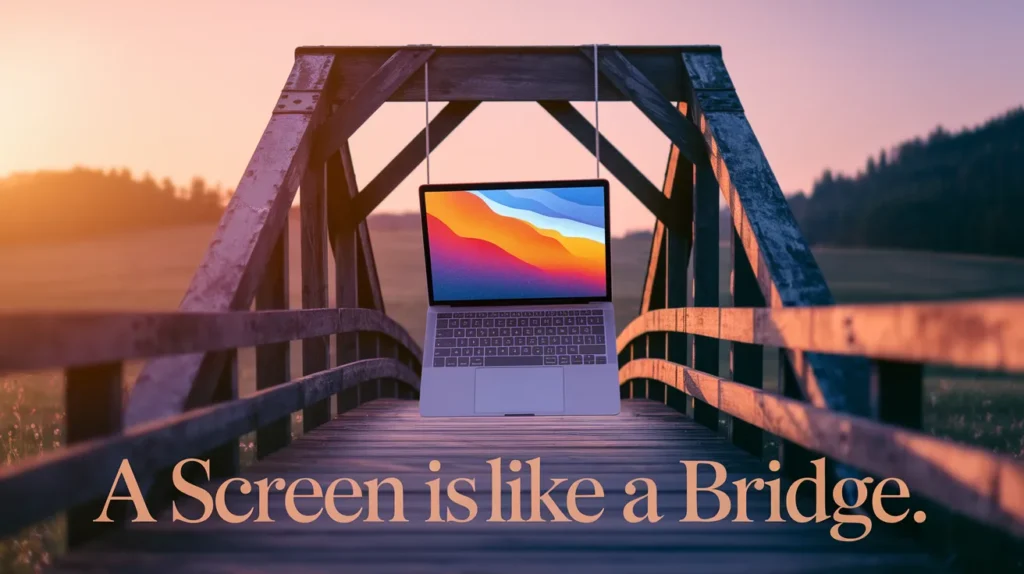
Meaning: It connects people and ideas.
Usage insight: Effective in essays.
- The screen bridged distant voices.
- Conversations crossed continents.
- Ideas met on its surface.
- The bridge felt effortless.
- Connection felt immediate.
17. A monitor is like a mountain
Meaning: It stands firm under pressure.
Usage insight: Powerful in persuasive writing.
- The monitor stood like a mountain.
- Heavy tasks rested on it.
- It never wavered.
- Strength defined its presence.
- Stability inspired confidence.
18. A display is like flowing music
Meaning: It moves smoothly and rhythmically.
Usage insight: Works well in poetic prose.
- The display flowed like music.
- Transitions felt melodic.
- Visual rhythm soothed the eyes.
- The display carried harmony.
- Motion felt natural.
19. A screen is like a page
Meaning: It presents information simply.
Usage insight: Best for educational writing.
- The screen turned like a page.
- Words rested neatly.
- Learning felt familiar.
- The page glowed digitally.
- Reading felt effortless.
20. A monitor is like armor
Meaning: It protects accuracy and focus.
Usage insight: Ideal for technical tone.
- The monitor acted like armor in work.
- It shielded precision.
- Errors felt distant.
- The monitor guarded clarity.
- Focus remained protected.
21. A display is like a prism
Meaning: It breaks data into beauty.
Usage insight: Useful for analytical creativity.
- The display split light like a prism.
- Data gained color.
- Complexity became visible.
- The prism clarified meaning.
- Insight followed beauty.
22. A screen is like a soft glow
Meaning: It comforts without overwhelming.
Usage insight: Best for emotional tone.
- The screen glowed gently.
- Comfort filled the room.
- Light felt kind.
- The glow calmed nerves.
- Peace followed.
23. A monitor is like a pillar
Meaning: It supports long-term effort.
Usage insight: Strong for formal essays.
- The monitor served as a pillar.
- Work leaned on it.
- Strength remained constant.
- It held weight calmly.
- Structure stayed firm.
24. A display is like a map
Meaning: It organizes information visually.
Usage insight: Effective in instructional writing.
- The display mapped complex ideas.
- Information felt navigable.
- Paths appeared clear.
- The map reduced confusion.
- Direction felt certain.
25. A screen is like a whisper
Meaning: It communicates subtly.
Usage insight: Ideal for poetic writing.
- The screen whispered late at night.
- Notifications felt gentle.
- Silence surrounded its glow.
- The whisper carried meaning.
- Quiet communication worked best.
26. A monitor is like an anchor

Meaning: It grounds work and focus.
Usage insight: Works in serious tone.
- The monitor anchored his workflow.
- Distractions drifted away.
- Stability ruled the desk.
- The anchor held firm.
- Focus remained steady.
27. A display is like a stage
Meaning: It presents content dramatically.
Usage insight: Great for presentations.
- The display became a stage.
- Ideas performed boldly.
- Visuals took the spotlight.
- Attention stayed fixed.
- The show succeeded.
28. A screen is like a soft rain
Meaning: It delivers information gently.
Usage insight: Works in descriptive prose.
- The screen delivered updates like rain.
- Information fell evenly.
- Nothing felt harsh.
- Learning soaked in.
- Calm followed.
29. A monitor is like a trusted teacher
Meaning: It delivers knowledge clearly.
Usage insight: Ideal for educational writing.
- The monitor taught patiently.
- Lessons appeared clearly.
- Understanding grew steadily.
- The teacher never tired.
- Knowledge stayed accessible.
30. A display is like a horizon
Meaning: It suggests endless possibility.
Usage insight: Perfect for inspirational writing.
- The display stretched like a horizon.
- Possibility felt endless.
- Vision expanded forward.
- The future appeared bright.
- Hope lived on-screen.
How to Use Similes Effectively in Writing
Use similes to clarify complex ideas by linking them to familiar images. In poems and songs, focus on emotion and rhythm. In stories, choose similes that match mood and character perspective.
For essays and academic writing, keep similes precise and purposeful. In creative descriptions, avoid overuse and let each simile serve meaning, not decoration.
FAQs
1. What does screen vs monitor vs display mean in figurative writing?
It represents different ways of viewing, presenting, and supporting information through imagery.
2. How are similes different from metaphors?
Similes use like or as, while metaphors state comparison directly.
3. Can similes be used in academic writing?
Yes, when used sparingly to clarify complex ideas.
4. Are similes common in literature?
Yes, they are widely used to create imagery and emotion.
5. Why are similes effective for comparison?
They make abstract or technical ideas easier to understand.
Conclusion
Similes turn comparison into clarity, and clarity into emotion. By using screen vs monitor vs display as symbolic images, writers can transform technical terms into meaningful expressions of strength, growth, resilience, and wisdom.
These similes enrich language, sharpen imagery, and deepen emotional connection. Whether in literature, essays, or creative writing, thoughtful similes make ideas memorable and alive. When used with care, they invite readers not just to understand—but to feel.