
Sadness is one of the most human emotions we experience, yet it is often the hardest to explain. This is where similes step in and quietly do their magic. Similes help us compare feelings to familiar images, moments, and scenes, making emotions clearer and more relatable.
In figurative language, sadness is not weakness—it is a symbol of depth, resilience, growth, wisdom, and emotional honesty. Writers across cultures and centuries have used similes in literature to express sorrow with grace and meaning.
By turning sadness into vivid comparisons, language becomes more powerful and comforting. In this guide, you’ll explore powerful similes for sadness that bring emotion to life in a natural, reader-friendly way.
What Is a Simile?
A simile is a figure of speech that compares two different things using the words like or as to create vivid imagery and emotional clarity.
Example: Her sadness hung over her like a heavy winter fog.
This comparison helps readers feel the weight and persistence of the emotion rather than just being told it exists.
1. Sad as a sky heavy with rain
Meaning: Deep emotional weight ready to break.
Usage Insight: Ideal for quiet, reflective moments.
- He sat silently, sad as a sky heavy with rain.
- Her voice carried the same still sadness as a storm waiting to fall.
- The room felt dim, sad as a clouded afternoon.
- His eyes reflected a sky full of unshed tears.
- The day mirrored his mood, heavy and grey.
2. Sad like a wilting flower
Meaning: Emotional exhaustion and loss of vitality.
Usage Insight: Works well in gentle, poetic writing.
- She smiled faintly, sad like a wilting flower.
- His joy faded slowly, like petals curling inward.
- The house felt empty, like a neglected garden.
- Her sadness bent her spirit downward.
- Time passed, and hope wilted quietly.
3. Sad as an empty room
Meaning: Loneliness and absence.
Usage Insight: Strong in emotional storytelling.
- The house felt sad as an empty room.
- His laughter vanished, leaving silence behind.
- The chair across from her remained untouched.
- Even the walls felt lonely.
- The quiet spoke louder than words.
4. Sad like a broken song
Meaning: Interrupted joy or lost harmony.
Usage Insight: Excellent for music-related or emotional scenes.
- His memories played like a broken song.
- Her voice cracked, unfinished and aching.
- The melody of their love stopped too soon.
- Silence replaced what once flowed freely.
- The tune lingered, incomplete.
5. Sad as falling leaves
Meaning: Natural, gentle loss.
Usage Insight: Perfect for reflective or seasonal writing.
- She watched summer fade, sad as falling leaves.
- His happiness drifted away quietly.
- Time changed everything without asking.
- The moment passed like autumn.
- Beauty and sadness shared the same breath.
6. Sad like a lonely road at night

Meaning: Isolation and emotional distance.
Usage Insight: Works well in introspective narratives.
- He walked on, sad like a lonely road at night.
- No voices followed him.
- The darkness felt endless.
- His thoughts echoed back to him.
- The path stretched on silently.
7. Sad as a fading sunset
Meaning: Beauty mixed with loss.
Usage Insight: Ideal for bittersweet moments.
- Her smile disappeared like a fading sunset.
- The moment was beautiful but brief.
- Light slipped away slowly.
- He held onto the last colors.
- Night arrived too soon.
8. Sad like rain tapping a window
Meaning: Soft, persistent sorrow.
Usage Insight: Perfect for quiet emotional scenes.
- Her tears fell like rain on glass.
- The sound was gentle but constant.
- Each drop carried a memory.
- The world felt distant.
- Sadness stayed close.
9. Sad as a forgotten letter
Meaning: Unspoken feelings and neglect.
Usage Insight: Works well in reflective writing.
- His words stayed unread, sad as a forgotten letter.
- Time passed without response.
- The message lost its moment.
- Silence answered instead.
- Meaning faded quietly.
10. Sad like a cracked mirror
Meaning: Emotional fragmentation.
Usage Insight: Powerful for internal conflict.
- She saw herself broken, like a cracked mirror.
- Every piece reflected pain.
- Nothing felt whole anymore.
- Her image felt unfamiliar.
- Sadness distorted everything.
11. Sad as winter without snow
Meaning: Cold emptiness without beauty.
Usage Insight: Effective in symbolic writing.
- His days felt long and colorless.
- Winter came without comfort.
- Even the cold felt lonely.
- Nothing softened the season.
- Sadness settled in.
12. Sad like a dying flame
Meaning: Hope slowly fading.
Usage Insight: Ideal for emotional turning points.
- Her hope flickered weakly.
- The light grew smaller.
- Darkness crept closer.
- She tried to protect it.
- Still, it faded.
13. Sad as a silent phone
Meaning: Waiting without response.
Usage Insight: Modern and relatable.
- He stared at the screen endlessly.
- No message arrived.
- Silence hurt more than words.
- Time stretched painfully.
- Sadness stayed unread.
14. Sad like a slow goodbye
Meaning: Lingering emotional pain.
Usage Insight: Great for farewell scenes.
- The goodbye lasted too long.
- Every second hurt more.
- Words failed them.
- Tears spoke instead.
- Sadness lingered.
15. Sad as a locked door
Meaning: Emotional distance and isolation.
Usage Insight: Useful for character development.
- He kept his feelings hidden.
- No one could enter.
- The door stayed closed.
- Sadness guarded his heart.
- Silence became safety.
16. Sad like a cloudy morning

Meaning: Gentle emotional heaviness.
Usage Insight: Ideal for subtle sadness.
- The day began without brightness.
- Her mood matched the sky.
- Nothing felt sharp or clear.
- Everything moved slowly.
- Sadness hovered softly.
17. Sad as a lost child
Meaning: Vulnerable and searching.
Usage Insight: Powerful in emotional storytelling.
- He felt small and confused.
- The world felt too big.
- Comfort seemed far away.
- His sadness needed guidance.
- Hope searched quietly.
18. Sad like a missed train
Meaning: Regret and lost opportunity.
Usage Insight: Effective for reflective moments.
- She watched chances disappear.
- The doors closed too soon.
- Time moved on.
- Regret stayed behind.
- Sadness followed.
19. Sad as a shadow at dusk
Meaning: Quiet emotional presence.
Usage Insight: Poetic and subtle.
- Sadness stretched behind him.
- It grew longer as light faded.
- He couldn’t escape it.
- It followed silently.
- Night welcomed it.
20. Sad like a torn photograph
Meaning: Broken memories.
Usage Insight: Strong for nostalgia.
- The past felt incomplete.
- Memories lost their edges.
- Love remained torn.
- He tried to remember clearly.
- Sadness blurred everything.
21. Sad as a dry riverbed
Meaning: Emotional emptiness.
Usage Insight: Effective in nature similes.
- Her heart felt empty.
- Once, joy flowed freely.
- Now, only cracks remained.
- Time dried everything out.
- Sadness stayed behind.
22. Sad like a forgotten birthday
Meaning: Feeling unvalued.
Usage Insight: Relatable and emotional.
- The day passed unnoticed.
- No wishes arrived.
- Silence spoke loudly.
- He felt invisible.
- Sadness marked the moment.
23. Sad as a fading echo
Meaning: Lingering pain that slowly disappears.
Usage Insight: Ideal for endings.
- His words echoed briefly.
- Then they faded away.
- Silence replaced sound.
- Sadness softened slowly.
- Time moved on.
24. Sad like a closed book
Meaning: Untold stories and emotions.
Usage Insight: Works well in literary writing.
- Her story remained unread.
- Pages stayed sealed.
- Meaning stayed hidden.
- Sadness locked itself inside.
- No one opened it.
25. Sad as a single tear
Meaning: Quiet emotional release.
Usage Insight: Perfect for intimate scenes.
- One tear said everything.
- No words were needed.
- Emotion slipped free.
- Sadness finally showed.
- Silence followed.
26. Sad like an unanswered prayer
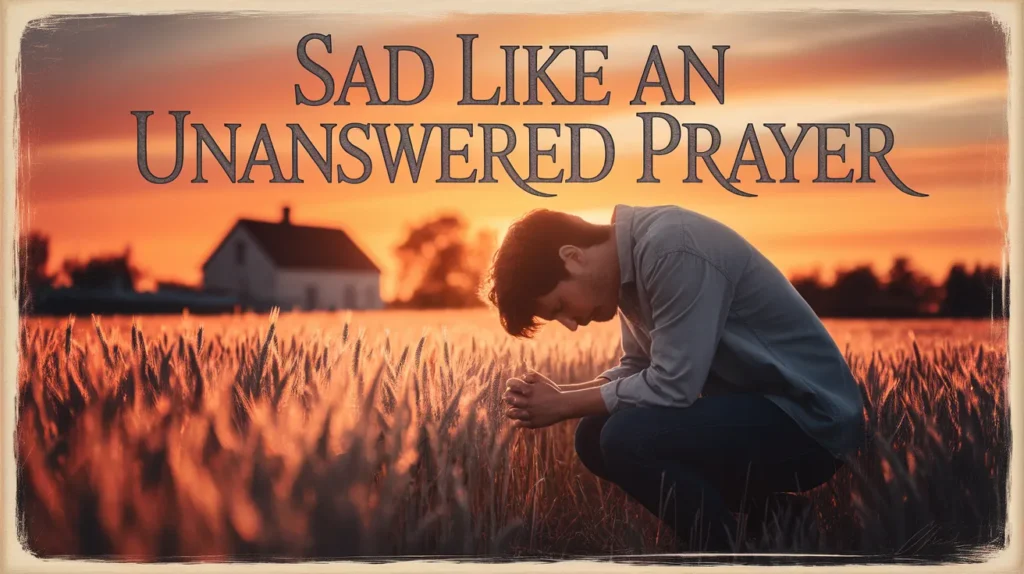
Meaning: Hope without response.
Usage Insight: Strong in emotional reflection.
- He waited patiently.
- Nothing changed.
- Faith felt heavy.
- Sadness questioned hope.
- Silence answered.
27. Sad as a slow rainstorm
Meaning: Prolonged emotional weight.
Usage Insight: Ideal for extended emotional arcs.
- The sadness lasted for days.
- It soaked everything.
- There was no escape.
- Stillness followed.
- Healing took time.
28. Sad like a fading photograph
Meaning: Memory losing clarity.
Usage Insight: Great for nostalgic writing.
- Faces blurred with time.
- Details disappeared.
- Only feelings remained.
- Sadness filled the gaps.
- Memory softened.
29. Sad as a night without stars
Meaning: Hopelessness and darkness.
Usage Insight: Powerful in dramatic scenes.
- The sky offered no comfort.
- Darkness felt complete.
- Hope felt distant.
- He searched for light.
- Sadness surrounded him.
30. Sad like a quiet goodbye
Meaning: Gentle emotional closure.
Usage Insight: Perfect for endings.
- No tears fell loudly.
- Words were unnecessary.
- The moment passed softly.
- Sadness accepted the end.
- Peace followed.
How to Use Similes Effectively in Writing
- Use similes to show emotion rather than explain it.
- Choose comparisons that fit your tone and audience.
- Nature similes work well for emotional depth and symbolism.
- Avoid overusing similes in one paragraph.
- Match similes to the emotional pace of poems, stories, essays, or songs.
FAQs
1. What are powerful similes for sadness?
They are comparisons that express sorrow vividly using relatable images or emotions.
2. How do similes differ from metaphors?
Similes use like or as, while metaphors state the comparison directly.
3. Are similes used in literature?
Yes, similes are common in classic and modern literature to express emotion.
4. Can similes be used in academic writing?
Yes, when used carefully, they can clarify complex ideas.
5. Why are nature similes effective for sadness?
Nature reflects emotional cycles, making sadness feel universal and relatable.
Conclusion
Powerful similes for sadness give emotion a shape, a sound, and a presence readers can feel. They transform quiet sorrow into meaningful imagery and turn personal pain into shared understanding. Whether used in literature, poetry, or everyday writing, these similes add clarity, emotional depth, and beauty to language.
By choosing the right comparison, writers can honor sadness not as weakness, but as a sign of humanity, resilience, and growth. When words connect emotion to image, sadness becomes something we don’t just read—we feel it.