
Words have power, especially when we are trying to describe human behavior. Sometimes the word “mean” feels too simple to capture cruelty, sharpness, or cold-hearted actions. That is where powerful similes for mean become incredibly useful.
Similes allow us to compare one thing to another using “like” or “as,” helping readers picture emotions more clearly. In figurative language, similes add depth, color, and emotional strength to writing.
Through strong comparisons, we can show how unkind words sting, how cold silence hurts, or how harsh behavior feels. These comparisons are not just decorative—they are powerful symbols of human emotion, strength, resilience, growth, and wisdom.
Even negative traits, when described creatively, help us understand character development and emotional truth. In literature and everyday communication, similes turn plain descriptions into vivid imagery that stays in the reader’s mind.
In this guide, you’ll find 30 original similes that clearly describe mean behavior, each with meaning, usage tips, and natural example sentences.
What Is a Simile?
A simile is a figure of speech that compares two different things using the words “like” or “as.” It helps readers understand emotions or actions by connecting them to something familiar.
Example: Her words were as sharp as a knife.
This comparison makes the emotional pain easier to imagine and feel.
1. As mean as a snake in tall grass
Meaning: Quietly cruel or dangerously unkind.
Usage Insight: Works well for hidden or sneaky meanness.
Examples:
- He was as mean as a snake in tall grass when no one was watching.
- Her tone turned as mean as a snake in tall grass.
- The bully acted as mean as a snake in tall grass.
- She smiled sweetly but spoke as mean as a snake in tall grass.
- His remarks were as mean as a snake in tall grass.
2. Like ice cutting through skin
Meaning: Cold and painfully harsh.
Usage Insight: Perfect for describing sharp words.
Examples:
- Her comment felt like ice cutting through skin.
- His voice sounded like ice cutting through skin.
- The insult landed like ice cutting through skin.
- She laughed, and it felt like ice cutting through skin.
- His criticism struck like ice cutting through skin.
3. As mean as a storm without warning
Meaning: Suddenly harsh and destructive.
Usage Insight: Good for explosive temper scenes.
Examples:
- He became as mean as a storm without warning.
- Her anger rose as mean as a storm without warning.
- The argument turned as mean as a storm without warning.
- She snapped, as mean as a storm without warning.
- His reaction was as mean as a storm without warning.
4. Like thorns hidden in roses
Meaning: Sweet on the outside but cruel underneath.
Usage Insight: Ideal for deceptive personalities.
Examples:
- Her smile felt like thorns hidden in roses.
- His kindness was like thorns hidden in roses.
- She spoke gently, like thorns hidden in roses.
- The compliment felt like thorns hidden in roses.
- His charm was like thorns hidden in roses.
5. As mean as a wolf guarding its prey

Meaning: Aggressively protective and harsh.
Usage Insight: Strong for competitive situations.
Examples:
- He was as mean as a wolf guarding its prey.
- She defended her position as mean as a wolf guarding its prey.
- The rival acted as mean as a wolf guarding its prey.
- He growled, as mean as a wolf guarding its prey.
- Her glare was as mean as a wolf guarding its prey.
6. Like a blade slicing through silence
Meaning: Words that cut deeply.
Usage Insight: Effective in emotional confrontations.
Examples:
- His insult sliced like a blade through silence.
- Her voice cut like a blade through silence.
- The accusation felt like a blade slicing through silence.
- She interrupted like a blade through silence.
- His sarcasm struck like a blade slicing through silence.
7. As mean as bitter medicine
Meaning: Harsh but possibly truthful.
Usage Insight: Useful when meanness carries honesty.
Examples:
- His advice was as mean as bitter medicine.
- She spoke as mean as bitter medicine.
- The truth felt as mean as bitter medicine.
- He answered as mean as bitter medicine.
- Her honesty sounded as mean as bitter medicine.
8. Like frost killing spring flowers
Meaning: Destroying kindness or joy.
Usage Insight: Strong for emotional damage.
Examples:
- His words felt like frost killing spring flowers.
- Her laughter died like flowers in frost.
- The insult landed like frost killing spring flowers.
- His cruelty spread like frost over flowers.
- She felt crushed like flowers under frost.
9. As mean as a whip cracking in air
Meaning: Sharp and forceful cruelty.
Usage Insight: Ideal for strong authority figures.
Examples:
- His command sounded as mean as a whip cracking in air.
- She replied as mean as a whip cracking in air.
- The teacher’s tone felt as mean as a whip cracking in air.
- His criticism snapped as mean as a whip.
- Her words echoed as mean as a whip cracking in air.
10. Like poison in sweet tea
Meaning: Hidden cruelty disguised as kindness.
Usage Insight: Excellent for subtle insults.
Examples:
- Her compliment felt like poison in sweet tea.
- His smile hid words like poison in sweet tea.
- The joke sounded like poison in sweet tea.
- She whispered like poison in sweet tea.
- His praise carried poison in sweet tea.
11. As mean as a locked door in winter
Meaning: Cold and unwelcoming.
Usage Insight: Good for emotional distance.
Examples:
- He was as mean as a locked door in winter.
- Her silence felt as mean as a locked door in winter.
- The rejection sounded as mean as a locked door in winter.
- She stared as mean as a locked door in winter.
- His refusal was as mean as a locked door in winter.
12. Like sandpaper against skin
Meaning: Rough and irritating behavior.
Usage Insight: Useful for repeated harshness.
Examples:
- His tone felt like sandpaper against skin.
- Her words scraped like sandpaper against skin.
- The teasing sounded like sandpaper against skin.
- His jokes rubbed like sandpaper.
- She spoke like sandpaper against skin.
13. As mean as a thunderclap at midnight
Meaning: Loud, shocking, and unexpectedly harsh.
Usage Insight: Ideal for sudden verbal attacks or explosive reactions.
Examples:
- His reply was as mean as a thunderclap at midnight.
- She snapped as mean as a thunderclap at midnight.
- The criticism hit me as mean as a thunderclap at midnight.
- His laughter rang out as mean as a thunderclap at midnight.
- The argument began as mean as a thunderclap at midnight.
14. Like a shadow swallowing light
Meaning: Overpowering kindness with cruelty.
Usage Insight: Works beautifully in emotional or poetic writing.
Examples:
- Her harsh tone spread like a shadow swallowing light.
- His bitterness moved like a shadow swallowing light.
- The room grew tense like a shadow swallowing light.
- His anger rose like a shadow swallowing light.
- The insult lingered like a shadow swallowing light.
15. As mean as a hawk circling prey

Meaning: Calculated and predatory cruelty.
Usage Insight: Strong for describing deliberate unkindness.
Examples:
- He watched her as mean as a hawk circling prey.
- The bully acted as mean as a hawk circling prey.
- She smiled, as mean as a hawk circling prey.
- His questions felt as mean as a hawk circling prey.
- The rival waited as mean as a hawk circling prey.
16. Like acid rain on fresh paint
Meaning: Damaging something new or hopeful.
Usage Insight: Effective for emotional setbacks.
Examples:
- His comment fell like acid rain on fresh paint.
- Her sarcasm felt like acid rain on fresh paint.
- The rejection landed like acid rain on fresh paint.
- His cruelty spread like acid rain on fresh paint.
- The insult lingered like acid rain on fresh paint.
17. As mean as a judge without mercy
Meaning: Extremely harsh and unforgiving.
Usage Insight: Best for strict authority figures.
Examples:
- He spoke as mean as a judge without mercy.
- She ruled as mean as a judge without mercy.
- His criticism sounded as mean as a judge without mercy.
- The decision felt as mean as a judge without mercy.
- The manager acted as mean as a judge without mercy.
18. Like glass shattering on stone
Meaning: Sharp and painfully abrupt.
Usage Insight: Perfect for emotional breakdowns or cutting remarks.
Examples:
- Her words broke like glass shattering on stone.
- His anger burst like glass shattering on stone.
- The insult felt like glass shattering on stone.
- Their friendship ended like glass shattering on stone.
- The silence cracked like glass shattering on stone.
19. As mean as a drought in summer
Meaning: Draining warmth and kindness.
Usage Insight: Ideal for describing emotional coldness.
Examples:
- His attitude was as mean as a drought in summer.
- She treated him as mean as a drought in summer.
- The response felt as mean as a drought in summer.
- Their silence grew as mean as a drought in summer.
- The atmosphere turned as mean as a drought in summer.
20. Like claws scratching wood
Meaning: Harsh and deeply irritating.
Usage Insight: Useful for repeated teasing or cruelty.
Examples:
- His mockery sounded like claws scratching wood.
- Her laugh felt like claws scratching wood.
- The criticism scraped like claws scratching wood.
- His sarcasm grated like claws scratching wood.
- The insult lingered like claws scratching wood.
21. As mean as a north wind in January
Meaning: Bitterly cold and unfriendly.
Usage Insight: Strong for emotional distance.
Examples:
- She was as mean as a north wind in January.
- His tone felt as mean as a north wind in January.
- The reply sounded as mean as a north wind in January.
- He looked at her as mean as a north wind in January.
- The room felt as mean as a north wind in January.
22. Like smoke choking the air
Meaning: Overwhelming and suffocating negativity.
Usage Insight: Great for tense or toxic situations.
Examples:
- His anger spread like smoke choking the air.
- The tension felt like smoke choking the air.
- Her sarcasm rose like smoke choking the air.
- The insult lingered like smoke choking the air.
- Their hostility filled the room like smoke choking the air.
23. As mean as a lion defending territory
Meaning: Fiercely aggressive and protective.
Usage Insight: Good for competitive or territorial behavior.
Examples:
- He acted as mean as a lion defending territory.
- She argued as mean as a lion defending territory.
- The rival responded as mean as a lion defending territory.
- His glare was as mean as a lion defending territory.
- The debate turned as mean as a lion defending territory.
24. Like nails scraping a chalkboard
Meaning: Unpleasant and sharply irritating.
Usage Insight: Ideal for describing unbearable behavior.
Examples:
- Her laughter felt like nails scraping a chalkboard.
- His teasing sounded like nails scraping a chalkboard.
- The insult grated like nails scraping a chalkboard.
- His tone was like nails scraping a chalkboard.
- The criticism echoed like nails scraping a chalkboard.
25. As mean as a closed fist
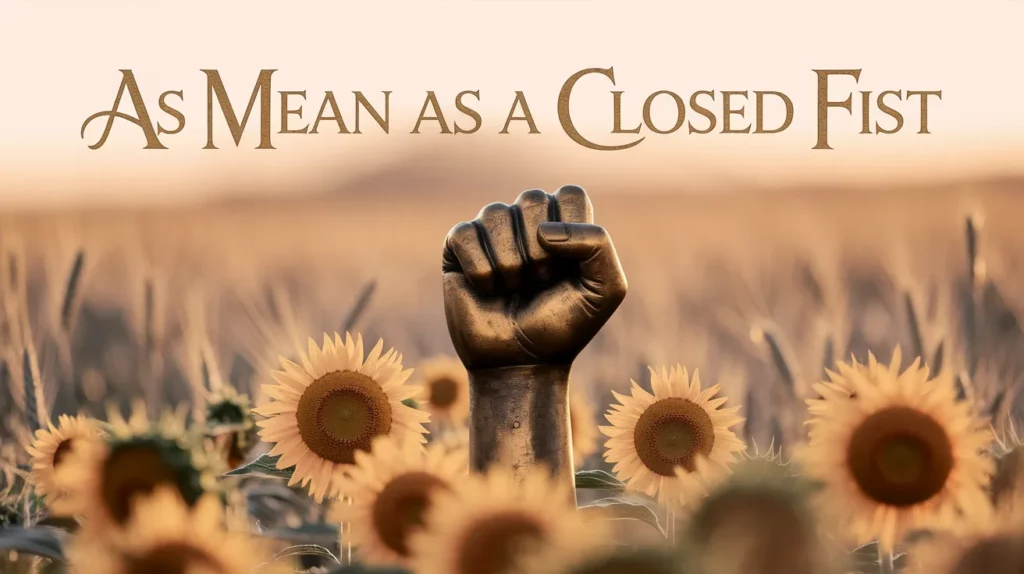
Meaning: Aggressive and ready to strike.
Usage Insight: Strong for physical or emotional tension.
Examples:
- He stood as mean as a closed fist.
- Her anger tightened as mean as a closed fist.
- The argument grew as mean as a closed fist.
- His silence felt as mean as a closed fist.
- She glared as mean as a closed fist.
26. Like a storm tearing through trees
Meaning: Destructive and overwhelming cruelty.
Usage Insight: Perfect for intense emotional outbursts.
Examples:
- His rage swept through like a storm tearing through trees.
- Her criticism hit like a storm tearing through trees.
- The fight escalated like a storm tearing through trees.
- His voice roared like a storm tearing through trees.
- The conflict spread like a storm tearing through trees.
27. As mean as a scorpion’s sting
Meaning: Quick and painfully sharp cruelty.
Usage Insight: Ideal for short but hurtful remarks.
Examples:
- Her words were as mean as a scorpion’s sting.
- His reply felt as mean as a scorpion’s sting.
- The insult landed as mean as a scorpion’s sting.
- She answered as mean as a scorpion’s sting.
- His sarcasm struck as mean as a scorpion’s sting.
28. Like a blade hidden in velvet
Meaning: Soft appearance hiding cruelty.
Usage Insight: Excellent for deceptive politeness.
Examples:
- Her compliment felt like a blade hidden in velvet.
- His charm was like a blade hidden in velvet.
- The praise sounded like a blade hidden in velvet.
- She smiled like a blade hidden in velvet.
- His kindness hid cruelty like a blade hidden in velvet.
29. As mean as thunder over open fields
Meaning: Loud, intimidating harshness.
Usage Insight: Strong for dramatic confrontations.
Examples:
- His shout was as mean as thunder over open fields.
- She spoke as mean as thunder over open fields.
- The argument grew as mean as thunder over open fields.
- His warning sounded as mean as thunder over open fields.
- The accusation echoed as mean as thunder over open fields.
30. Like darkness swallowing dawn
Meaning: Cruelty overpowering hope.
Usage Insight: Powerful for emotional storytelling.
Examples:
- His harsh words felt like darkness swallowing dawn.
- Her rejection spread like darkness swallowing dawn.
- The insult lingered like darkness swallowing dawn.
- His bitterness grew like darkness swallowing dawn.
- The room fell silent like darkness swallowing dawn.
How to Use Similes Effectively in Writing
- Match tone carefully – Strong similes work best in emotional scenes.
- Avoid overuse – Use comparisons strategically.
- Choose vivid imagery – Nature similes are especially powerful.
- Stay original – Create fresh figurative language examples.
- Support character development – Similes reveal personality traits clearly.
Similes strengthen storytelling, essays, poetry, and creative descriptions by turning simple statements into memorable imagery.
FAQs
1. What are powerful similes for mean behavior?
They are comparisons that vividly describe cruelty, harshness, or emotional coldness using “like” or “as.”
2. What is the difference between a simile and a metaphor?
A simile uses “like” or “as,” while a metaphor directly states one thing is another.
3. Can similes be used in academic writing?
Yes, when used carefully, they clarify ideas and improve readability.
4. Why are nature similes effective?
Nature provides strong, relatable imagery that readers instantly understand.
5. Are similes important in literature?
Absolutely. Similes in literature enhance imagery, emotional depth, and characterization.
Conclusion
Powerful similes for mean help writers describe harsh behavior with clarity and emotional precision. Through strong comparisons, simple words gain intensity, imagery, and impact. Whether used in stories, essays, or poetry, these similes enrich language and make emotions unforgettable.