

Language becomes powerful when it paints clear pictures in a reader’s mind. One of the most effective tools writers use to create these images is the simile. Similes compare two different things using words like “like” or “as”, helping readers understand feelings, situations, and descriptions more vividly.
When writers want to describe something strange, unusual, or unpredictable, they often rely on the best similes for weird. These comparisons help express oddness in creative ways that ordinary descriptions cannot capture. Through nature, everyday experiences, and imaginative ideas, similes transform simple writing into vivid storytelling.
In literature, strange moments and unusual characters often represent curiosity, creativity, individuality, and mystery. That is why similes are commonly used to show how something weird can also be fascinating or memorable.
In this guide, you will discover 30 unique similes for weird, each with a clear meaning, usage insight, and five natural example sentences. These comparisons can help poets, storytellers, students, and creative writers describe unusual situations with clarity and imagination.
What Is a Simile?
A simile is a figure of speech that compares two different things using the words “like” or “as.” It helps writers explain ideas in a more vivid and imaginative way.
Example: Her thoughts were like fireworks in the night sky—bright, sudden, and impossible to ignore.
This comparison helps readers imagine how surprising and energetic her thoughts were.
1. Weird like a purple cloud at sunrise
Meaning: Something strangely beautiful and unusual.
Usage Insight: This simile works well when describing something odd but visually fascinating.
Examples
- His imagination was weird like a purple cloud at sunrise.
- The painting looked weird like a sky glowing with strange colors.
- Her fashion style felt weird like a sunrise full of unexpected shades.
- The dream appeared weird like clouds changing colors in the morning sky.
- The festival decorations looked weird like a sky painted with unusual colors.
2. Weird like a cat talking to the moon
Meaning: Something mysterious and slightly surreal.
Usage Insight: This simile fits poetic or imaginative descriptions.
Examples
- His midnight thoughts were weird like a cat talking to the moon.
- The quiet garden felt weird like animals sharing secrets with the sky.
- Her smile seemed weird like a cat whispering to the moon.
- The dream was weird like creatures speaking with the night.
- The silence felt weird like a cat staring up at the glowing moon.
3. Weird like a clock ticking backward
Meaning: Something unnatural or confusing.
Usage Insight: Ideal for describing puzzling situations.
Examples
- The conversation grew weird like a clock ticking backward.
- His explanation sounded weird like time reversing itself.
- The situation became weird like a clock ignoring time.
- The dream felt weird like yesterday happening again.
- The story unfolded weird like time running in reverse.
4. Weird like a fish walking on land
Meaning: Something extremely unusual or out of place.
Usage Insight: Great for describing awkward or impossible situations.
Examples
- He looked weird like a fish walking on land.
- The idea sounded weird like a fish trying to run.
- The moment felt weird like ocean creatures in the desert.
- Her reaction seemed weird like a fish exploring a forest.
- The situation became weird like sea life wandering across sand.
5. Weird like shadows dancing in daylight
Meaning: Something strange that should not normally happen.
Usage Insight: Works well in mysterious or suspenseful writing.
Examples
- The empty street felt weird like shadows dancing in daylight.
- The moment turned weird like shadows moving under bright sun.
- The silence looked weird like light hiding secrets.
- His expression felt weird like a shadow in the sun.
- The room seemed weird like darkness playing with daylight.
6. Weird like a rainbow at midnight
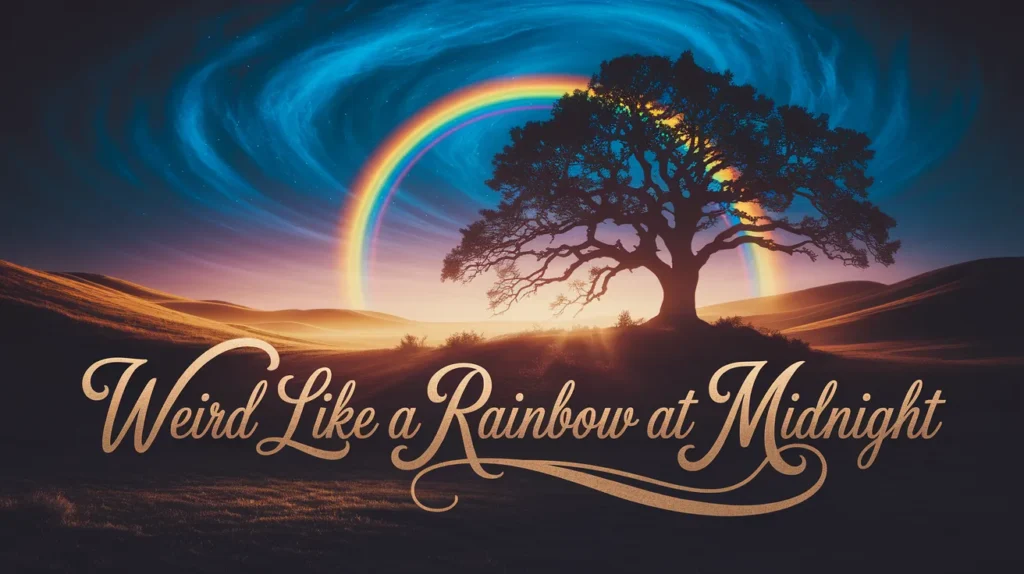
Meaning: Something magical yet impossible.
Usage Insight: Useful for imaginative storytelling.
Examples
- The dream appeared weird like a rainbow at midnight.
- Her laughter sounded weird like colors shining in darkness.
- The idea felt weird like midnight filled with rainbows.
- The scene seemed weird like night suddenly glowing with color.
- His imagination worked weird like light inside darkness.
7. Weird like a whisper in an empty cave
Meaning: Something eerie and unsettling.
Usage Insight: Perfect for suspense or mystery writing.
Examples
- The sound echoed weird like a whisper in an empty cave.
- The silence felt weird like hidden voices underground.
- The hallway seemed weird like echoes trapped in stone.
- His voice sounded weird like a whisper in darkness.
- The room grew weird like quiet caves breathing softly.
8. Weird like a tree growing upside down
Meaning: Something completely against normal expectations.
Usage Insight: Useful for describing strange ideas or inventions.
Examples
- His invention looked weird like a tree growing upside down.
- The painting appeared weird like roots reaching toward the sky.
- Her design seemed weird like nature turned inside out.
- The sculpture felt weird like branches hanging from clouds.
- The idea sounded weird like forests growing in reverse.
9. Weird like laughter in a silent library
Meaning: Something surprising in a quiet or serious setting.
Usage Insight: Works well in humorous storytelling.
Examples
- His joke sounded weird like laughter in a silent library.
- The moment broke weird like sudden laughter in silence.
- Her giggle felt weird like joy in a quiet hall.
- The room changed weird like laughter interrupting calm.
- The situation felt weird like a joke in a serious meeting.
10. Weird like snow in the desert
Meaning: Something extremely rare and surprising.
Usage Insight: Ideal for describing shocking events.
Examples
- The news felt weird like snow in the desert.
- His success seemed weird like winter in hot sand.
- The event appeared weird like snow falling in heat.
- The day felt weird like cold winds in a desert.
- The moment arrived weird like snow touching dry sand.
11. Weird like a mirror showing tomorrow
Meaning: Something mysterious and impossible.
Usage Insight: Great for fantasy writing.
Examples
- The dream felt weird like a mirror showing tomorrow.
- His idea sounded weird like seeing the future in glass.
- The story unfolded weird like reflections of tomorrow.
- Her imagination worked weird like mirrors predicting time.
- The moment seemed weird like tomorrow staring back today.
12. Weird like stars whispering secrets
Meaning: Something magical and mysterious.
Usage Insight: Works well in poetic descriptions.
Examples
- The night felt weird like stars whispering secrets.
- His thoughts sounded weird like quiet voices in the sky.
- The dream appeared weird like stars sharing stories.
- Her smile looked weird like secrets shining in the sky.
- The silence seemed weird like distant stars speaking softly.
13. Weird like wind laughing through trees
Meaning: Something strange yet natural.
Usage Insight: Perfect for nature descriptions.
Examples
- The forest sounded weird like wind laughing through trees.
- His laughter felt weird like playful wind.
- The night grew weird like branches whispering in the wind.
- The moment appeared weird like wind telling jokes.
- The sound echoed weird like wind laughing softly.
14. Weird like a door opening by itself
Meaning: Something spooky or unexpected.
Usage Insight: Works well in suspense scenes.
Examples
- The room felt weird like a door opening by itself.
- His silence seemed weird like hidden doors moving.
- The house looked weird like doors with secrets.
- The moment became weird like unseen hands opening doors.
- The hallway sounded weird like doors moving quietly.
15. Weird like a bird swimming underwater
Meaning: Something completely unnatural.
Usage Insight: Useful for describing absurd situations.
Examples
- His behavior looked weird like a bird swimming underwater.
- The idea sounded weird like flying creatures diving deep.
- The dream felt weird like birds living in oceans.
- The moment seemed weird like feathers underwater.
- The story grew weird like birds exploring the sea.
16. Weird like thunder without clouds
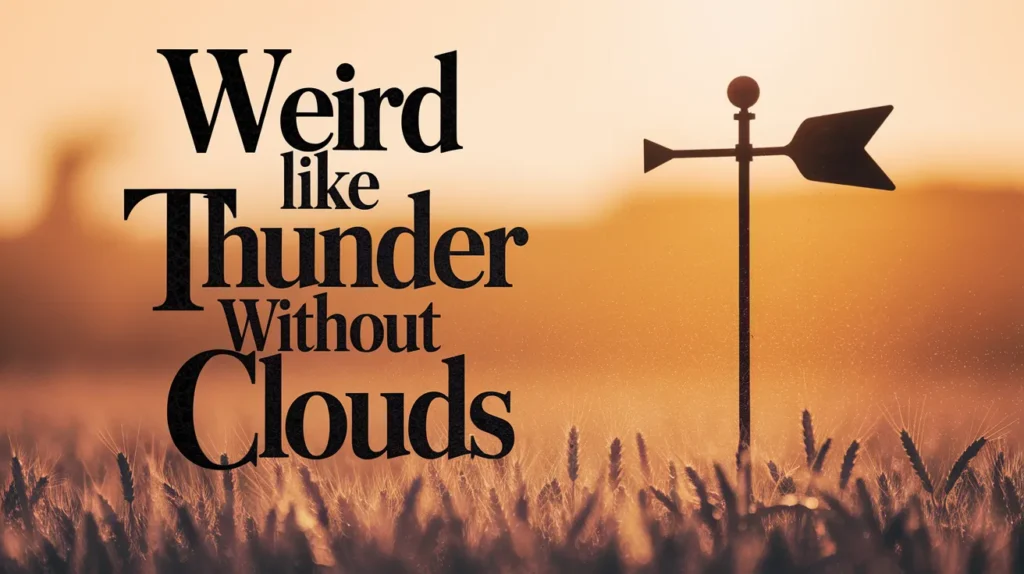
Meaning: Something sudden and confusing.
Usage Insight: Good for surprising events.
Examples
- The noise sounded weird like thunder without clouds.
- The silence broke weird like sudden thunder.
- His anger appeared weird like thunder from nowhere.
- The moment turned weird like storms without skies.
- The sound echoed weird like thunder in clear air.
17. Weird like a book writing itself
Meaning: Something mysterious and magical.
Usage Insight: Perfect for creative storytelling.
Examples
- The story felt weird like a book writing itself.
- His imagination worked weird like pages creating words.
- The dream appeared weird like stories writing themselves.
- The moment unfolded weird like magic inside books.
- The idea seemed weird like letters forming alone.
18. Weird like footprints appearing on water
Meaning: Something impossible.
Usage Insight: Good for fantasy descriptions.
Examples
- The scene felt weird like footprints appearing on water.
- The dream looked weird like steps floating on waves.
- The moment seemed weird like walking across water.
- His story sounded weird like paths across rivers.
- The idea appeared weird like footprints on waves.
19. Weird like fire glowing underwater
Meaning: Something extraordinary and strange.
Usage Insight: Works well in dramatic descriptions.
Examples
- The image looked weird like fire glowing underwater.
- His energy felt weird like flames beneath waves.
- The dream appeared weird like underwater fire.
- The moment seemed weird like light burning in the sea.
- The story felt weird like flames inside water.
20. Weird like silence singing a song
Meaning: Something paradoxical or unusual.
Usage Insight: Useful in poetic writing.
Examples
- The room felt weird like silence singing a song.
- His calm voice sounded weird like quiet music.
- The moment seemed weird like silence humming softly.
- The dream felt weird like quiet melodies.
- The scene looked weird like silence becoming music.
21. Weird like a shadow without a body
Meaning: Something mysterious and unsettling.
Usage Insight: Effective for suspenseful scenes.
Examples
- The figure looked weird like a shadow without a body.
- The moment seemed weird like shadows with no source.
- The silence felt weird like moving shadows.
- The dream appeared weird like shadows walking alone.
- The night grew weird like shadows escaping darkness.
22. Weird like lightning frozen in the sky
Meaning: Something dramatic and impossible.
Usage Insight: Ideal for vivid imagery.
Examples
- The sight looked weird like lightning frozen in the sky.
- His reaction felt weird like a storm paused in time.
- The moment seemed weird like lightning trapped in clouds.
- The dream appeared weird like frozen storms.
- The scene felt weird like thunder paused in air.
23. Weird like a river flowing uphill
Meaning: Something that defies logic.
Usage Insight: Good for describing impossible ideas.
Examples
- His explanation sounded weird like a river flowing uphill.
- The situation felt weird like water climbing mountains.
- The dream appeared weird like rivers defying gravity.
- The moment seemed weird like water moving backward.
- The idea looked weird like rivers running toward the sky.
24. Weird like flowers blooming in snow
Meaning: Something unexpected yet beautiful.
Usage Insight: Works well in poetic writing.
Examples
- Her smile looked weird like flowers blooming in snow.
- The moment appeared weird like spring inside winter.
- The dream seemed weird like roses in frost.
- The story felt weird like color in cold snow.
- The scene appeared weird like flowers in winter.
25. Weird like the moon smiling at noon
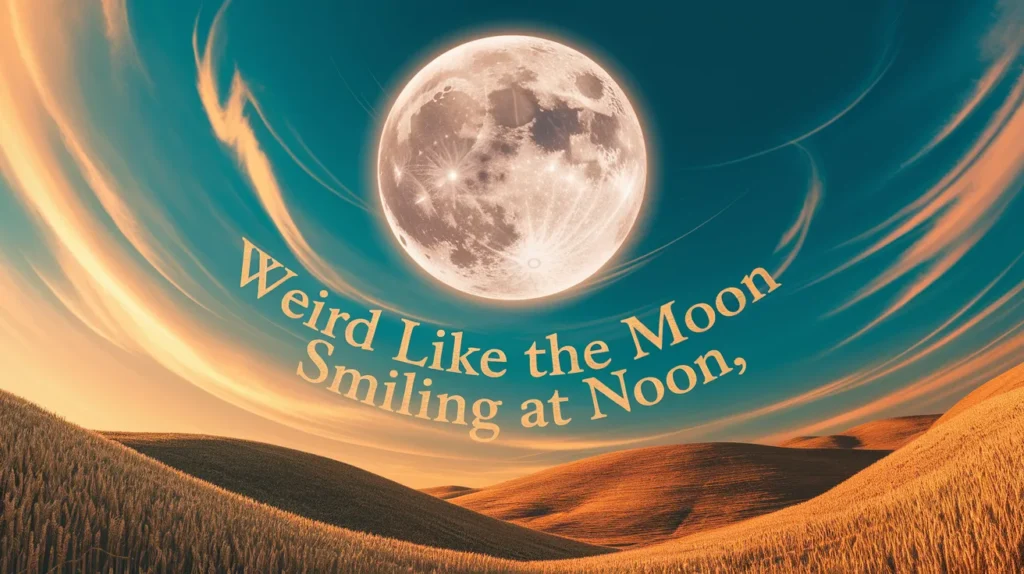
Meaning: Something unusual but fascinating.
Usage Insight: Perfect for imaginative writing.
Examples
- The sky looked weird like the moon smiling at noon.
- His idea felt weird like daytime moonlight.
- The moment appeared weird like the moon shining at noon.
- The dream seemed weird like daylight moons.
- The scene felt weird like night appearing in day.
26. Weird like footsteps with no walker
Meaning: Something eerie and mysterious.
Usage Insight: Good for suspense stories.
Examples
- The sound felt weird like footsteps with no walker.
- The hallway seemed weird like invisible steps.
- The moment appeared weird like unseen travelers.
- The dream sounded weird like ghostly footsteps.
- The silence felt weird like quiet footsteps.
27. Weird like fog whispering secrets
Meaning: Something mysterious and dreamy.
Usage Insight: Ideal for atmospheric descriptions.
Examples
- The morning looked weird like fog whispering secrets.
- The moment felt weird like mist telling stories.
- The forest seemed weird like fog breathing softly.
- The dream appeared weird like whispers in mist.
- The scene grew weird like fog hiding secrets.
28. Weird like a dream walking through daylight
Meaning: Something surreal.
Usage Insight: Works well in poetic writing.
Examples
- The moment looked weird like a dream walking through daylight.
- His thoughts felt weird like dreams in daylight.
- The scene seemed weird like imagination escaping sleep.
- The story appeared weird like dreams in sunlight.
- The day felt weird like sleep wandering awake.
29. Weird like echoes before a sound
Meaning: Something mysterious and impossible.
Usage Insight: Perfect for fantasy scenes.
Examples
- The moment felt weird like echoes before a sound.
- His voice seemed weird like echoes arriving early.
- The dream appeared weird like sounds before voices.
- The scene looked weird like echoes without sound.
- The story unfolded weird like echoes from the future.
30. Weird like a star falling upward
Meaning: Something completely impossible or surreal.
Usage Insight: Ideal for imaginative writing.
Examples
- The sight looked weird like a star falling upward.
- His story sounded weird like stars rising into the sky.
- The dream felt weird like falling stars reversing direction.
- The moment appeared weird like stars flying upward.
- The scene seemed weird like gravity forgetting the stars.
How to Use Similes Effectively in Writing
Similes make writing vivid, emotional, and memorable. Here are a few helpful tips:
Use familiar images Readers connect better with comparisons they can easily imagine.
Avoid overusing similes Too many comparisons can make writing feel cluttered.
Match the tone Funny stories may use playful similes, while serious writing may need subtle ones.
Use nature imagery Nature similes often feel powerful and universal.
Focus on clarity A good simile should help readers understand the idea better.
FAQs
1. What are the best similes for weird?
Some creative examples include weird like snow in the desert, weird like a clock ticking backward, and weird like a star falling upward.
2. What is the difference between similes and metaphors?
A simile compares two things using like or as, while a metaphor directly states that one thing is another.
3. Why do writers use similes in literature?
Similes help readers visualize emotions, scenes, and ideas more clearly.
4. Are similes useful in academic writing?
Yes, but they should be used carefully to clarify ideas rather than distract from them.
5. How can similes improve storytelling?
They make descriptions more vivid, engaging, and emotionally powerful.
Conclusion
The best similes for weird allow writers to describe strange, mysterious, or unusual experiences in imaginative ways. Instead of simply saying something is odd, similes create vivid comparisons such as rainbows at midnight, rivers flowing uphill, or stars falling upward.
These creative comparisons bring color, emotion, and clarity to writing. Whether you are crafting poetry, stories, essays, or descriptive passages, similes can transform simple words into powerful imagery that readers remember long after they finish reading.