

Awkward moments are a universal human experience, and similes help us describe them with clarity, humor, and emotional depth. A simile compares one thing to another using like or as, making abstract feelings easier to imagine and relate to.
In figurative language, similes turn uncomfortable pauses, social tension, and emotional missteps into vivid images readers instantly recognize. When we explore the best similes for awkward, we uncover powerful symbols of growth, resilience, wisdom, and shared humanity.
Awkwardness often marks moments of learning, vulnerability, and emotional honesty. Writers in literature frequently use comparisons and nature similes to soften or highlight these moments. With the right simile, even the most uncomfortable situation can feel meaningful and relatable.
What Is a Simile?
A simile is a figure of speech that compares two different things using like or as to create vivid imagery or emotional understanding.
Example: The silence was awkward like a pause that forgot its next line.
1. Awkward like a pause with no applause
Meaning: An uncomfortable silence after an expected reaction.
Usage Insight: Best for social or performance-related moments.
Examples:
- His joke landed awkward like a pause with no applause.
- The room felt heavy after her comment.
- Everyone avoided eye contact.
- The silence stretched painfully.
- No one knew what to say next.
2. Awkward like tripping on a flat road
Meaning: Embarrassment without an obvious cause.
Usage Insight: Works well for sudden social missteps.
Examples:
- The mistake felt awkward like tripping on a flat road.
- He laughed nervously at himself.
- Nothing was wrong, yet everything felt off.
- The moment drew unwanted attention.
- Recovery felt harder than the fall.
3. Awkward like waving back at the wrong person
Meaning: Mistaken confidence leading to embarrassment.
Usage Insight: Ideal for humorous writing.
Examples:
- She smiled too soon.
- Realization hit instantly.
- Her hand dropped slowly.
- Heat rushed to her face.
- She wished for invisibility.
4. Awkward like a joke nobody understood
Meaning: Social disconnect or misunderstanding.
Usage Insight: Best for dialogue-heavy scenes.
Examples:
- Laughter never came.
- He explained when he should not have.
- The mood shifted instantly.
- Regret followed quickly.
- Silence replaced humor.
5. Awkward like shoes on the wrong feet
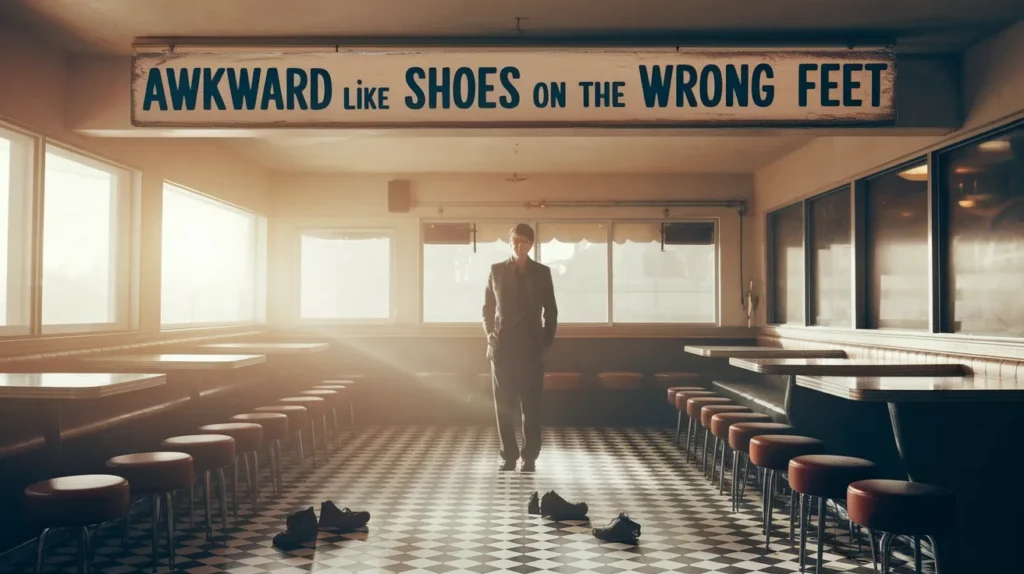
Meaning: Something feels off and uncomfortable.
Usage Insight: Great for internal emotional states.
Examples:
- The conversation felt wrong.
- Nothing fit naturally.
- She shifted uneasily.
- Comfort felt impossible.
- Awareness grew with every second.
6. Awkward like hugging too long
Meaning: Crossing unspoken social boundaries.
Usage Insight: Perfect for relational moments.
Examples:
- Neither pulled away.
- The moment lingered too much.
- Smiles felt forced.
- Relief came when it ended.
- They laughed it off.
7. Awkward like silence after a secret
Meaning: Tension following revelation.
Usage Insight: Strong for emotional scenes.
Examples:
- Words disappeared.
- Reality settled heavily.
- No one moved.
- Truth filled the space.
- Time slowed down.
8. Awkward like a microphone left on
Meaning: Unintended exposure.
Usage Insight: Best for public embarrassment.
Examples:
- Everyone heard too much.
- Panic set in quickly.
- Regret followed instantly.
- The damage was done.
- Apologies came too late.
9. Awkward like laughing at the wrong moment
Meaning: Emotional mismatch.
Usage Insight: Works well in dramatic irony.
Examples:
- The laugh escaped accidentally.
- Realization followed instantly.
- Faces turned sharply.
- Guilt replaced humor.
- Silence returned.
10. Awkward like a chair missing a leg
Meaning: Instability in a situation.
Usage Insight: Ideal for tense environments.
Examples:
- Everything felt unbalanced.
- Confidence disappeared.
- The moment threatened collapse.
- No one relaxed.
- Escape felt necessary.
11. Awkward like standing too close
Meaning: Violation of personal space.
Usage Insight: Useful for subtle discomfort.
Examples:
- He stepped back slowly.
- She noticed too late.
- The air felt tight.
- Awareness grew painfully.
- Distance restored comfort.
12. Awkward like a dance with no rhythm
Meaning: Lack of harmony or flow.
Usage Insight: Great for relationship metaphors.
Examples:
- They never synced.
- Missteps followed.
- Effort showed clearly.
- Coordination failed.
- The moment ended early.
13. Awkward like mismatched socks in public
Meaning: Visible imperfection.
Usage Insight: Best for light humor.
Examples:
- Everyone noticed eventually.
- Self-consciousness grew.
- He laughed it off.
- Comfort remained lacking.
- The day continued anyway.
14. Awkward like forgetting someone’s name
Meaning: Social anxiety and embarrassment.
Usage Insight: Ideal for everyday situations.
Examples:
- Panic flashed briefly.
- He stalled for time.
- The moment stretched.
- Relief came too late.
- Apologies followed.
15. Awkward like a spotlight in silence
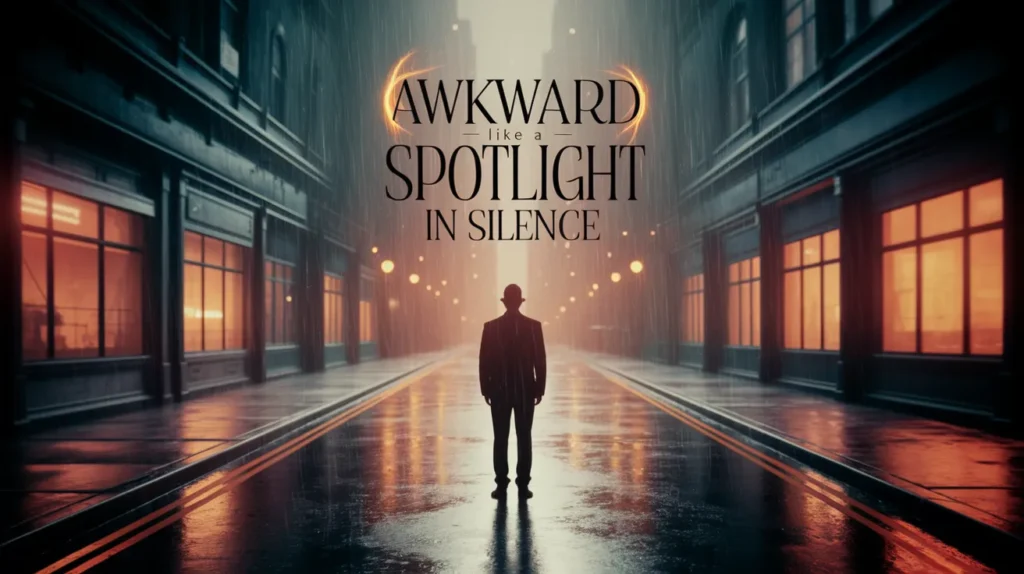
Meaning: Unwanted attention.
Usage Insight: Strong for emotional vulnerability.
Examples:
- All eyes turned.
- Breathing felt loud.
- Confidence vanished.
- Escape seemed impossible.
- The moment lingered.
16. Awkward like a compliment misunderstood
Meaning: Good intentions gone wrong.
Usage Insight: Useful for character interactions.
Examples:
- Confusion replaced gratitude.
- Explanations followed.
- Smiles felt forced.
- Intentions blurred.
- Recovery felt slow.
17. Awkward like reading aloud and stumbling
Meaning: Performance anxiety.
Usage Insight: Ideal for academic or public scenes.
Examples:
- Words tangled together.
- Focus slipped.
- Heat rose quickly.
- The page shook.
- Relief came at the end.
18. Awkward like a pause mid-sentence
Meaning: Sudden interruption or uncertainty.
Usage Insight: Best for dialogue.
Examples:
- Thoughts vanished.
- Silence filled the gap.
- Eyes waited patiently.
- Recovery felt rushed.
- The moment passed slowly.
19. Awkward like rain on a picnic
Meaning: Something ruining a pleasant moment.
Usage Insight: Nature simile for contrast.
Examples:
- Plans shifted suddenly.
- Smiles faded.
- Adaptation followed.
- Disappointment lingered.
- Memories still formed.
20. Awkward like clapping alone
Meaning: Lack of shared response.
Usage Insight: Strong for emotional isolation.
Examples:
- He stopped quickly.
- Embarrassment settled in.
- Silence returned.
- The gesture felt misplaced.
- Connection was missing.
21. Awkward like a phone ringing in a movie
Meaning: Disruptive intrusion.
Usage Insight: Great for tension-breaking moments.
Examples:
- Everyone turned sharply.
- Apologies followed.
- Focus shattered.
- Annoyance spread.
- Calm returned slowly.
22. Awkward like standing with nothing to do
Meaning: Social uncertainty.
Usage Insight: Ideal for introspective writing.
Examples:
- Hands felt useless.
- Time moved slowly.
- Awareness sharpened.
- Confidence wavered.
- Relief came with movement.
23. Awkward like laughter fading too fast
Meaning: Humor failing to land.
Usage Insight: Best for conversational scenes.
Examples:
- Smiles disappeared quickly.
- Silence returned.
- Regret followed.
- Recovery felt forced.
- The mood shifted.
24. Awkward like a costume at the wrong party
Meaning: Not fitting in.
Usage Insight: Works well for identity themes.
Examples:
- She stood out immediately.
- Self-awareness grew.
- Confidence dropped.
- Belonging felt distant.
- She adapted slowly.
25. Awkward like a smile held too long
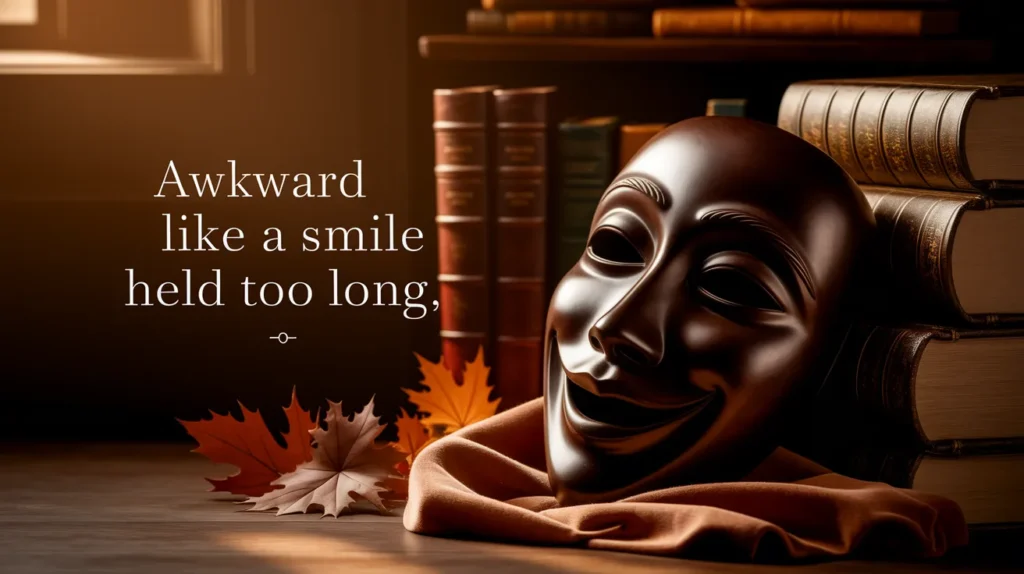
Meaning: Forced politeness.
Usage Insight: Useful for subtle discomfort.
Examples:
- Cheeks ached slightly.
- Eyes searched for escape.
- The moment dragged.
- Relief followed release.
- Normalcy returned.
26. Awkward like stepping into the wrong room
Meaning: Realizing a mistake too late.
Usage Insight: Best for quick embarrassment.
Examples:
- Recognition hit instantly.
- Apologies came fast.
- Retreat followed.
- Laughter eased tension.
- Lessons remained.
27. Awkward like talking over each other
Meaning: Miscommunication.
Usage Insight: Ideal for dialogue realism.
Examples:
- Both stopped suddenly.
- Apologies overlapped.
- Silence followed.
- Laughter broke tension.
- Conversation resumed.
28. Awkward like an unanswered greeting
Meaning: Social rejection or oversight.
Usage Insight: Strong for emotional impact.
Examples:
- Her smile faded.
- Doubt crept in.
- She questioned herself.
- The moment lingered.
- Confidence took a hit.
29. Awkward like holding a door too long
Meaning: Misjudged politeness.
Usage Insight: Perfect for everyday humor.
Examples:
- Both hesitated.
- Smiles felt forced.
- Distance closed slowly.
- Relief came at last.
- They laughed afterward.
30. Awkward like a truth said too soon
Meaning: Honesty before readiness.
Usage Insight: Ideal for emotional turning points.
Examples:
- Silence followed instantly.
- Eyes widened.
- The weight settled in.
- Regret followed honesty.
- Growth began afterward.
How to Use Similes Effectively in Writing
When using similes, choose comparisons that feel natural and relatable. In poems and songs, similes add emotional rhythm and imagery. In stories, they deepen character reactions and make scenes memorable.
Essays benefit from similes when explaining abstract emotions clearly. Avoid overusing similes; one strong comparison often carries more power than several weak ones.
FAQs
1. What are the best similes for awkward moments?
They are comparisons that clearly express discomfort, tension, or social unease.
2. How are similes different from metaphors?
Similes use like or as, while metaphors directly state the comparison.
3. Are awkward similes used in literature?
Yes, many authors use them to humanize characters and add realism.
4. Can similes be used in academic writing?
Yes, sparingly, to clarify emotional or abstract concepts.
5. Why do nature similes work well for awkwardness?
Because natural events mirror human discomfort in relatable ways.
Conclusion
The best similes for awkward moments transform discomfort into vivid, meaningful language. They help readers recognize themselves in small, human experiences and find connection through shared unease. By using clear comparisons, writers add humor, honesty, and emotional depth to their work.
Whether in literature, storytelling, or everyday expression, these similes bring clarity and color to moments we all know too well. When used thoughtfully, awkward similes don’t just describe discomfort—they make it beautifully understandable.