
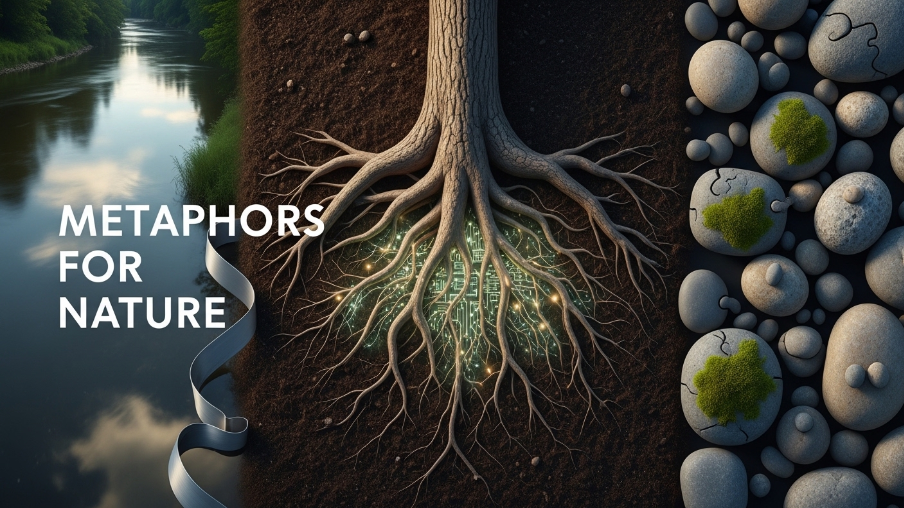
The morning sun spilled golden light across the hills, painting the landscape in warm colors while a cool breeze whispered through the trees. Birds stitched songs into the air, and the distant river shimmered like liquid silver. Moments like these remind us why nature has inspired poets, storytellers, and dreamers for centuries. Yet sometimes ordinary words are not enough to describe the wonder of the world around us.
That is where metaphors come in. Metaphors for nature help us transform simple descriptions into vivid images that spark imagination and emotion. They allow us to see forests as cathedrals, rivers as storytellers, and mountains as ancient guardians. These comparisons deepen our connection to the environment while making our writing more memorable and expressive.
Whether you are a student, writer, teacher, content creator, or simply someone who loves language, learning nature metaphors can enrich your communication. In this guide, you will discover creative examples, practical tips, literary inspiration, and interactive exercises that will help you use metaphors for nature with confidence and creativity.
Understanding Metaphors for Nature
A metaphor is a figure of speech that describes one thing as if it were another. Unlike similes, which use words like “as” or “like,” metaphors create a direct comparison.
For example:
- The forest is a cathedral.
- The river is a silver ribbon.
- The mountain is an ancient guardian.
These expressions encourage readers to see nature in a fresh and imaginative way. Instead of merely describing what something looks like, metaphors reveal deeper meanings, emotions, and connections.
Why Nature Metaphors Matter in Writing
Nature metaphors make writing more vivid and emotionally engaging. They help readers visualize scenes, connect with feelings, and remember ideas.
Benefits include:
- Creating strong imagery
- Enhancing storytelling
- Adding emotional depth
- Making descriptions memorable
- Improving creative and academic writing
Many famous authors use nature metaphors because they evoke universal experiences that readers instantly understand.
Nature as a Living Symphony
One of the most beautiful metaphors for nature is viewing it as a symphony.
Meaning and Explanation
In this metaphor, every natural element contributes to a grand performance. Birds become singers, rivers become instruments, and wind becomes the conductor.
Example Sentence
Nature is a living symphony, with every creature playing its unique note.
Alternative Expressions
- Nature is an orchestra
- The wilderness is a concert hall
- Earth performs an endless melody
Sensory Details
Imagine hearing rustling leaves, flowing water, and distant bird calls blending together in perfect harmony.
Nature as Earth’s Heartbeat
Another powerful metaphor portrays nature as the heartbeat of the planet.
Meaning and Explanation
Just as a heartbeat sustains life, nature supports ecosystems, climates, and living beings.
Example Scenario
A conservationist might say, “The rainforest is Earth’s heartbeat, pumping life into the atmosphere.”
Alternative Ways to Express It
- Nature is the pulse of life
- The forest is the planet’s heart
- The oceans are Earth’s circulation system
Emotional Impact
This metaphor emphasizes how essential environmental protection is for future generations.
Nature as a Master Artist
Nature often creates scenes more beautiful than any painting.
Meaning and Explanation
This metaphor compares nature to an artist who paints landscapes with colors, textures, and light.
Example Sentence
The sunset was nature’s masterpiece, brushed across the sky in shades of gold and crimson.
Alternative Expressions
- Nature is a painter
- The sky is a canvas
- Seasons are artistic exhibitions
Cultural Connection
Many landscape painters throughout history have attempted to capture the beauty that nature creates effortlessly.
Famous Literary Examples of Nature Metaphors
Writers throughout history have used nature metaphors to enrich their work.
Examples from Literature
William Wordsworth often described nature as a teacher and guide. Ralph Waldo Emerson viewed nature as a mirror reflecting human thoughts and emotions.
In many cultures, mountains symbolize strength, rivers represent life’s journey, and trees embody growth and wisdom.
These recurring metaphors show how deeply humans connect their experiences to the natural world.
Forest Metaphors That Inspire Wonder
Forests provide endless inspiration for creative comparisons.
Popular forest metaphors include:
- The forest is a cathedral.
- The woods are a green ocean.
- Trees are silent guardians.
- The canopy is a living roof.
- The forest floor is nature’s carpet.
Mini Story
Imagine walking through a forest at dawn. Sunlight filters through towering trees like stained-glass windows in an ancient cathedral. Suddenly, the metaphor feels real rather than imagined.
River Metaphors for Flow and Change
Rivers symbolize movement, transformation, and continuity.
Examples include:
- The river is a silver ribbon.
- The stream is a wandering storyteller.
- The current is time itself.
- The river is nature’s highway.
- Water is the world’s memory.
Real-Life Reflection
People often compare life’s journey to a river because both move forward despite obstacles and changes along the way.
Mountain Metaphors for Strength and Endurance
Mountains often represent resilience and permanence.
Common examples:
- Mountains are ancient guardians.
- Peaks are the crowns of Earth.
- Cliffs are stone fortresses.
- Mountains are silent giants.
- Ridges are nature’s backbone.
Emotional Meaning
These metaphors remind us of perseverance, stability, and the ability to withstand challenges over time.
Sky and Weather Metaphors for Emotion
The sky provides countless opportunities for metaphorical expression.
Examples:
- The sky is a vast canvas.
- Clouds are wandering dreams.
- Thunder is nature’s drumbeat.
- Rain is heaven’s tears.
- The wind is an invisible messenger.
Writing Tip
Weather metaphors can mirror human emotions, making stories more engaging and relatable.
Seasonal Metaphors and Their Symbolism
Each season carries symbolic meaning.
Spring
Spring is nature’s awakening.
Summer
Summer is a golden celebration.
Autumn
Autumn is a farewell letter written in leaves.
Winter
Winter is a quiet blanket covering the world.
These metaphors help writers connect seasonal changes with emotional experiences.
Creative Writing Tips Using Nature Metaphors
To use metaphors effectively:
Observe Closely
Spend time outdoors and notice details.
Focus on Emotions
Ask yourself what feeling a scene evokes.
Avoid Overused Comparisons
Try creating unique perspectives.
Keep Consistency
Use metaphors that fit the tone of your writing.
Show, Don’t Explain
Allow readers to interpret imagery naturally.
How Nature Metaphors Enhance Social Media Content
Nature metaphors are excellent for captions, blogs, and online content.
Examples:
- “Chasing sunsets painted by nature’s brush.”
- “Finding peace in Earth’s green cathedral.”
- “Flowing through life like a determined river.”
These phrases create emotional connections and increase engagement.
Interactive Exercise: Create Your Own Nature Metaphor
Try this simple exercise.
Step 1: Choose a natural object.
Examples:
- Tree
- River
- Flower
- Mountain
Step 2: Think about its qualities.
A tree may represent strength, patience, or growth.
Step 3: Create a comparison.
Example:
“The tree is a wise elder sharing silent lessons.”
Practice with several natural elements to develop creativity.
Nature Metaphor Prompts for Writers
Use these prompts to inspire your imagination:
- If the ocean were a person, who would it be?
- What secret story might a mountain tell?
- How would you describe rain without using the word rain?
- What emotion does a forest represent?
- If the wind carried a message, what would it say?
These exercises help strengthen metaphorical thinking and descriptive writing skills.
Bonus Tips for Using Nature Metaphors Every Day
You do not need to be a professional writer to enjoy nature metaphors.
Try using them in:
Journaling
Describe your day using natural imagery.
Storytelling
Add depth to characters and settings.
Presentations
Use memorable comparisons to explain ideas.
Social Media Posts
Create eye-catching captions.
Personal Reflection
Express emotions through nature-inspired language.
The more you practice, the more naturally metaphors will appear in your communication.
Building Stronger Connections Through Nature Imagery
Nature metaphors do more than beautify language. They help people understand complex emotions, abstract ideas, and personal experiences through familiar images.
A person struggling through difficulties might relate to being a tree weathering a storm. Someone beginning a new chapter may identify with spring’s arrival. These connections make communication more meaningful and human.
When we use nature imagery thoughtfully, we invite readers to see both the world and themselves from a fresh perspective.
FAQs
What are metaphors for nature?
Metaphors for nature are creative comparisons that describe natural elements as something else to create vivid imagery and deeper meaning. For example, “The forest is a cathedral.”
Why are nature metaphors important?
They make writing more engaging, memorable, and emotionally powerful while helping readers visualize scenes more clearly.
What is the difference between a metaphor and a simile?
A metaphor makes a direct comparison, while a simile uses words such as “like” or “as” to compare two things.
How can I create my own nature metaphors?
Observe a natural object, identify its qualities, and compare it to something that shares those characteristics in an imaginative way.
Can nature metaphors be used in everyday communication?
Yes. They work well in conversations, social media posts, journaling, speeches, creative writing, and educational content.
Conclusion
Nature has always been one of humanity’s greatest sources of inspiration, offering endless beauty, mystery, and wisdom. Through metaphors for nature, ordinary landscapes become extraordinary stories. Forests transform into cathedrals, rivers become storytellers, and mountains stand as timeless guardians watching over the world.
By learning and practicing these metaphors, you can enrich your writing, strengthen emotional expression, and create unforgettable imagery that resonates with readers. Whether you are crafting poetry, improving storytelling, posting on social media, or simply appreciating the beauty around you, nature metaphors provide a powerful bridge between observation and imagination.