
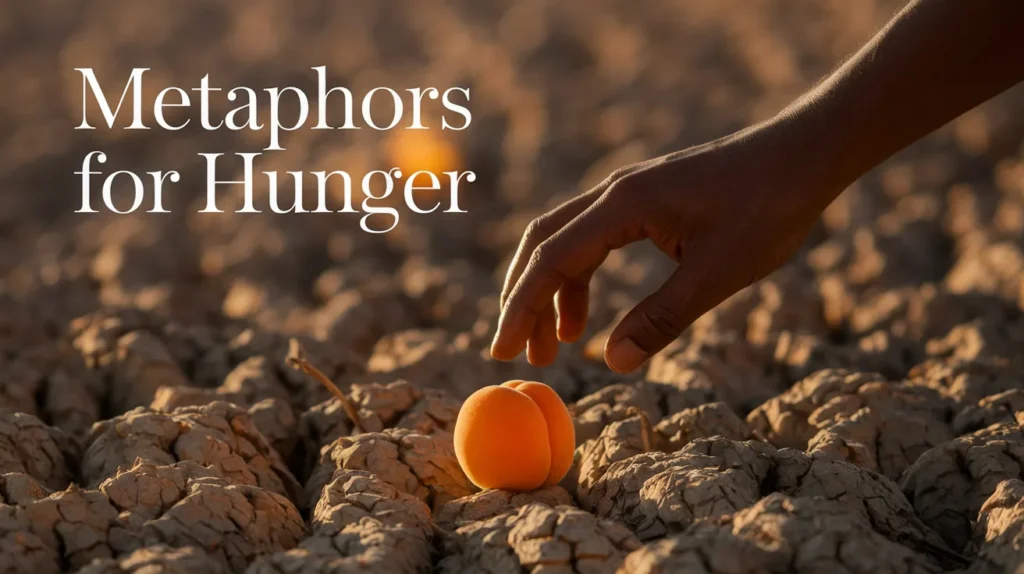
The stomach growls in the quiet of the night like a lonely wolf calling through the woods. A child stares at the kitchen clock waiting for dinner as if time itself has slowed to a crawl. A traveler on a dusty road dreams of bread and water the way sailors dream of shorelines. Hunger is more than a physical sensation—it is emotion, longing, urgency, and survival wrapped into one human experience.
That is why writers, poets, storytellers, and everyday speakers often turn to metaphors for hunger to describe it in memorable and emotional ways. Metaphors make ordinary feelings feel alive. Instead of simply saying “I’m hungry,” you can paint a picture with words. Hunger can become a roaring beast, an empty cave, a burning furnace, or a ticking clock. These comparisons help readers and listeners feel the sensation more deeply.
In literature, social media captions, creative writing, speeches, and daily conversations, strong figurative language adds personality and color. This article explores the best metaphors for hunger, how they work, and how you can use them creatively in your own writing. Along the way, you’ll discover vivid examples, storytelling ideas, cultural references, interactive exercises, and practical writing tips to sharpen your figurative language skills.
Why Metaphors for Hunger Matter in Writing
Hunger is universal. Everyone understands the ache of an empty stomach or the emotional craving for something missing in life. Because the feeling is so familiar, hunger metaphors instantly connect with readers.
When writers use metaphors, they transform plain descriptions into sensory experiences. Instead of saying someone was “very hungry,” you might write:
- “His stomach was a drum beaten by invisible hands.”
- “Hunger crawled through her like winter wind through broken windows.”
These lines create sound, movement, and emotion. Readers don’t just understand hunger—they feel it.
Metaphors also help writers express emotional hunger. People hunger for love, success, adventure, belonging, or hope. In this way, hunger becomes symbolic and powerful.
The Difference Between Hunger Metaphors and Similes
Many people confuse metaphors and similes because both compare things creatively. The difference is simple.
A simile uses words like “as” or “like.”
- “He was hungry like a bear after winter.”
A metaphor directly states one thing is another.
- “He was a bear fresh from hibernation.”
Metaphors often feel stronger and more poetic because they create a direct connection between ideas. In creative writing and literature, metaphors for hunger can make scenes richer and more dramatic.
Hunger as a Roaring Beast
One of the most popular metaphors for hunger compares it to an animal. Hunger growls, hunts, claws, and demands attention.
Meaning and Explanation
This metaphor emphasizes the wild, uncontrollable side of hunger. It suggests instinct, survival, and urgency.
Example Scenario
After skipping lunch and working late, Mia felt a beast roaring inside her stomach. Every smell from the bakery downstairs felt like torture.
Alternative Ways to Express It
- Hunger was a wolf scratching at his ribs.
- A lion prowled in her stomach.
- His appetite became a restless predator.
Sensory and Emotional Details
This metaphor works especially well when describing loud stomach growls, desperation, or intense cravings. Readers can almost hear the animalistic sounds and feel the tension building.
In novels and films, heroes stranded in deserts or forests are often described in animalistic terms because hunger strips people back to their primal instincts.
Hunger as an Empty Void
Sometimes hunger feels less aggressive and more hollow. This metaphor focuses on emptiness.
Meaning and Explanation
An empty void metaphor captures loneliness, exhaustion, or absence. It can describe physical hunger or emotional longing.
Example Sentence
A dark cave seemed to open inside her stomach, swallowing every ounce of energy she had left.
Alternative Expressions
- His stomach was a bottomless pit.
- Hunger carved a hollow canyon inside her.
- An empty chamber echoed beneath his ribs.
Mini Storytelling Example
Think about old adventure stories where travelers cross barren landscapes. Their hunger often mirrors emotional emptiness too. In many classic novels, an empty stomach symbolizes hopelessness or struggle.
This metaphor is excellent for emotional writing because emptiness can represent more than food—it can symbolize grief, loneliness, or longing.
Hunger as Fire or Burning Heat
Fire metaphors bring intensity and urgency to descriptions of hunger.
Meaning and Explanation
This metaphor highlights how hunger consumes energy and attention. It feels sharp, hot, and impossible to ignore.
Example Scenario
By midnight, hunger burned through him like wildfire, leaving him restless and irritable.
Alternative Ways to Say It
- Her stomach was a furnace.
- Hunger smoldered beneath his ribs.
- A slow fire consumed her appetite.
Emotional Details
Fire metaphors work beautifully in dramatic writing. They create heat, tension, and movement. In poetry, burning hunger often symbolizes ambition or passion in addition to physical craving.
For example, someone chasing success may describe their dreams as “a fire in the belly.”
Famous Literary Metaphors About Hunger
Writers throughout history have used hunger imagery to explore survival, poverty, ambition, and human emotion.
In Charles Dickens’ works, hunger often symbolizes social inequality and suffering. In war literature, empty stomachs become reminders of desperation and endurance. Even fairy tales use hunger symbolically—think of starving travelers finding magical feasts or children tempted by edible houses.
Modern authors also use hunger metaphorically for emotional needs:
- Hunger for power
- Hunger for love
- Hunger for freedom
These phrases resonate because physical hunger is something readers deeply understand.
Emotional Hunger Versus Physical Hunger
Not all hunger involves food. Emotional hunger can be just as intense.
People crave:
- Attention
- Validation
- Affection
- Purpose
- Adventure
When someone says, “She hungered for acceptance,” the metaphor becomes emotional rather than physical.
This type of figurative language is common in songs, movies, and motivational speeches because emotional cravings shape human behavior.
Example
After years of feeling invisible, Daniel hungered for recognition the way deserts hunger for rain.
That sentence combines emotional longing with vivid imagery, making it memorable and touching.
Cultural and Historical References to Hunger Imagery
Different cultures describe hunger in unique ways.
In many folk tales, hunger appears as a test of patience or morality. Religious texts often connect hunger with sacrifice, discipline, or spiritual growth.
For example:
- Fasting traditions symbolize control and reflection.
- Ancient myths describe endless hunger as punishment.
- Survival stories portray hunger as both enemy and teacher.
In modern culture, phrases like “hungry for success” have become motivational expressions. Athletes, entrepreneurs, and artists often describe ambition as hunger because it captures determination and drive.
Creative Writing Prompts Using Hunger Metaphors
Practicing metaphors improves your creativity and descriptive skills. Try these prompts:
Prompt One
Describe a student waiting for lunch without using the word “hungry.”
Prompt Two
Write about emotional loneliness as if it were physical hunger.
Prompt Three
Create a fantasy creature powered by hunger instead of magic.
Bonus Challenge
Write a short paragraph where hunger changes from a beast into a storm as emotions intensify.
These exercises strengthen figurative language and help writers think visually.
Best Metaphors for Hunger in Poetry
Poetry thrives on emotional imagery, and hunger metaphors are especially powerful in poems.
Here are a few poetic examples:
- Hunger was a violin string stretched too tight.
- My stomach carried storms beneath quiet skin.
- Desire gnawed at me like rats in the walls.
Poets often connect hunger with nature, music, darkness, or weather because these comparisons feel emotional and sensory.
Writing Tip
Use rhythm and sound when crafting metaphors. Words like “growl,” “gnaw,” “burn,” and “rumble” add texture and movement.
Using Hunger Metaphors in Social Media Captions
Creative captions stand out online. Hunger metaphors can make food posts funnier or more dramatic.
Examples
- “My stomach is filing official complaints.”
- “Running on coffee and dreams until dinner.”
- “This burger didn’t stand a chance against my inner wolf.”
Bonus Tips for Social Media
- Keep metaphors short and relatable.
- Add humor for engagement.
- Pair vivid captions with sensory food photos.
Food bloggers and influencers often use figurative language because it creates emotional connection and personality.
Hunger Metaphors in Everyday Conversations
You don’t need to be a novelist to use metaphors. Everyday speech becomes more expressive with figurative language.
Instead of saying:
- “I’m very hungry.”
Try:
- “My stomach is a black hole.”
- “I could eat a mountain.”
- “There’s a tornado in my stomach.”
These playful comparisons make conversations more memorable and entertaining.
Children especially enjoy imaginative hunger metaphors because they sound dramatic and funny.
Interactive Exercise: Build Your Own Hunger Metaphor
Here’s a simple creativity exercise.
Step One
Choose a feeling connected to hunger:
- Anger
- Weakness
- Excitement
- Impatience
Step Two
Choose an object or force from nature:
- Storm
- Volcano
- Wolf
- Ocean
- Fire
Step Three
Combine them creatively.
Example:
“Hunger crashed through him like an angry ocean during a storm.”
Practice Prompt
Write three hunger metaphors using different emotions. Compare which one feels strongest emotionally.
This activity helps develop originality and confidence in descriptive writing.
Tips for Writing Strong and Original Hunger Metaphors
Great metaphors feel fresh, emotional, and sensory. Here are useful strategies.
Use Specific Images
Instead of vague comparisons, choose vivid details.
Weak:
- “Hunger was bad.”
Strong:
- “Hunger rattled his ribs like loose branches in winter wind.”
Engage the Senses
Include sound, texture, smell, or temperature.
- Growling
- Burning
- Hollow echoes
- Sharp aches
Sensory language immerses readers in the experience.
Avoid Overused Comparisons
Phrases like “hungry as a horse” are common. Try inventing your own metaphors instead.
Connect Emotion to Physical Feeling
The best metaphors often blend emotional and physical experiences together.
Hunger Metaphors in Movies and Pop Culture
Cinema often uses hunger symbolically.
In survival movies, hunger creates suspense and reveals character strength. In fantasy stories, magical hunger may represent greed or temptation. Zombie films frequently portray endless hunger as loss of humanity.
Even advertisements use hunger metaphors:
- “Feed your ambition.”
- “Satisfy your cravings.”
- “Fuel your fire.”
Pop culture connects hunger with desire because the metaphor feels immediate and emotional.
Real-Life Inspiration for Hunger Imagery
Real experiences often create the best metaphors.
Think about moments when you were truly hungry:
- Waiting for food after a long trip
- Smelling fresh bread while fasting
- Missing dinner during a stressful workday
Notice the physical sensations:
- Weakness
- Irritation
- Noise
- Dizziness
- Cravings
Now transform those feelings into imagery.
Example
After hiking all day, my stomach felt like an abandoned house with windows banging in the wind.
Real-life observations make figurative language believable and powerful.
How Hunger Metaphors Improve Storytelling
Stories become richer when readers can emotionally connect with characters. Hunger metaphors create empathy instantly.
Imagine these two sentences:
- “The boy was hungry.”
- “Hunger chewed at the boy like rats trapped beneath the floorboards.”
The second sentence creates tension, atmosphere, and emotion. Readers can visualize the suffering more clearly.
In storytelling, hunger often symbolizes deeper conflict:
- Poverty
- Loneliness
- Desire
- Ambition
- Survival
That symbolic layer adds depth and meaning to narratives.
Turning Hunger Into Symbolism in Creative Writing
Advanced writers often use hunger as a symbol rather than just a physical condition.
A character obsessed with success may experience “hunger” for achievement. Someone grieving may feel emotionally starved. A lonely person may crave affection the way deserts crave rain.
Example
Her hunger for belonging followed her through every crowded room.
This metaphor transforms a simple emotional experience into something vivid and relatable.
Symbolic hunger appears frequently in poetry, novels, speeches, and music lyrics because it captures human longing so effectively.
FAQs
What is a metaphor for hunger?
A metaphor for hunger compares hunger to something else without using “like” or “as.” Examples include “hunger was a roaring beast” or “his stomach became a bottomless pit.”
Why are hunger metaphors important in writing?
They make descriptions more emotional, vivid, and memorable. Readers can better imagine and feel the experience.
Can hunger metaphors describe emotions too?
Yes. Hunger often symbolizes emotional cravings such as love, success, freedom, or acceptance.
What are some creative examples of hunger metaphors?
Examples include:
- “Her stomach was a furnace.”
- “Hunger prowled through him like a wolf.”
- “An empty canyon echoed inside her.”
How can I create my own hunger metaphors?
Focus on sensations and emotions. Compare hunger to animals, storms, fire, emptiness, or natural forces that match the feeling you want to express.
Conclusion
Hunger is one of the most powerful human experiences, which is why metaphors for hunger appear everywhere—from poetry and novels to movies, speeches, and everyday conversation. Whether hunger becomes a roaring beast, a burning fire, or an endless void, figurative language transforms simple descriptions into emotional experiences readers can truly feel.
By practicing vivid imagery, engaging the senses, and connecting physical cravings with emotional longing, you can create metaphors that feel original and unforgettable. Use these ideas in creative writing, storytelling, captions, journaling, or even casual conversation.