

Transitions shape how ideas flow, and similes help those transitions feel natural, vivid, and human. In figurative language, similes compare one thing to another using like or as, turning abstract moments into clear mental pictures.
They matter because they add emotion, clarity, and rhythm to writing, making readers feel rather than just understand. When writers talk about a segue—often confused with segway—they’re really talking about movement, connection, and smooth change.
These ideas echo powerful symbols of strength, growth, resilience, wisdom, and human emotion, because life itself is a series of transitions. Similes capture that motion beautifully, whether in stories, essays, speeches, or songs.
In this guide, you’ll explore original similes that act like bridges between thoughts. Each one shows how comparison can turn an awkward shift into a graceful flow.
What Is a Simile?
A simile is a figure of speech that compares two unlike things using like or as to create a vivid image or clearer meaning.
Example: Her explanation flowed like a river, carrying the listener gently from one idea to the next.
1. Like a Bridge Between Two Shores
Meaning: A smooth connection between separate ideas.
Usage Insight: Works well when linking contrasting topics.
Examples:
- His joke acted like a bridge between two shores, easing the tension.
- The paragraph felt like a bridge between two shores of thought.
- Her smile was like a bridge between two awkward silences.
- The music became like a bridge between past and present.
- That sentence worked like a bridge between two arguments.
2. Like a River Bending Around Stones
Meaning: A natural, effortless transition.
Usage Insight: Ideal for organic storytelling.
Examples:
- The conversation shifted like a river bending around stones.
- His tone changed like a river bending around stones.
- The essay moved like a river bending around stones.
- Her thoughts flowed like a river bending around stones.
- The plot turned like a river bending around stones.
3. Like a Door Opening Quietly
Meaning: A gentle, subtle change.
Usage Insight: Perfect for emotional or reflective writing.
Examples:
- The memory returned like a door opening quietly.
- His question felt like a door opening quietly.
- The chapter began like a door opening quietly.
- Her voice softened like a door opening quietly.
- The moment passed like a door opening quietly.
4. Like Stepping Stones Across Water
Meaning: Small steps guiding a transition.
Usage Insight: Useful for structured explanations.
Examples:
- Each example worked like stepping stones across water.
- The points felt like stepping stones across water.
- His logic laid out like stepping stones across water.
- The lesson moved like stepping stones across water.
- Her reasoning formed stepping stones across water.
5. Like a Wind That Changes Direction
Meaning: A noticeable but natural shift.
Usage Insight: Great for tone or mood changes.
Examples:
- The mood changed like a wind that changes direction.
- His speech turned like a wind that changes direction.
- The story shifted like a wind that changes direction.
- Her thoughts moved like a wind that changes direction.
- The song evolved like a wind that changes direction.
6. Like a Page Turning on Its Own

Meaning: Effortless progression.
Usage Insight: Works well in reflective prose.
Examples:
- Time passed like a page turning on its own.
- The scene changed like a page turning on its own.
- Her life felt like a page turning on its own.
- The chapter ended like a page turning on its own.
- His voice drifted like a page turning on its own.
7. Like Dawn Slipping Into Morning
Meaning: Gradual, peaceful change.
Usage Insight: Ideal for poetic transitions.
Examples:
- The silence broke like dawn slipping into morning.
- The idea grew like dawn slipping into morning.
- Her sadness eased like dawn slipping into morning.
- The tone softened like dawn slipping into morning.
- Hope rose like dawn slipping into morning.
8. Like Threads Woven Into Cloth
Meaning: Seamless integration of ideas.
Usage Insight: Best for analytical or literary writing.
Examples:
- His argument felt like threads woven into cloth.
- Themes blended like threads woven into cloth.
- The story connected like threads woven into cloth.
- Her thoughts merged like threads woven into cloth.
- The essay flowed like threads woven into cloth.
9. Like Music Changing Key
Meaning: A smooth tonal shift.
Usage Insight: Excellent for creative or musical contexts.
Examples:
- The mood changed like music changing key.
- His voice shifted like music changing key.
- The poem turned like music changing key.
- The film moved like music changing key.
- Her words drifted like music changing key.
10. Like a Train Gliding to the Next Station
Meaning: Controlled, purposeful movement.
Usage Insight: Works in narrative pacing.
Examples:
- The story moved like a train gliding to the next station.
- His thoughts rolled like a train gliding to the next station.
- The lecture flowed like a train gliding to the next station.
- Time passed like a train gliding to the next station.
- The plot advanced like a train gliding to the next station.
11. Like Clouds Rearranging in the Sky
Meaning: Soft, visual transition.
Usage Insight: Best for descriptive passages.
Examples:
- Ideas shifted like clouds rearranging in the sky.
- The mood changed like clouds rearranging in the sky.
- Her thoughts drifted like clouds rearranging in the sky.
- The scene evolved like clouds rearranging in the sky.
- The story moved like clouds rearranging in the sky.
12. Like a Hand Passing a Torch
Meaning: Passing focus or responsibility.
Usage Insight: Ideal for leadership or legacy themes.
Examples:
- The narrative moved like a hand passing a torch.
- Wisdom flowed like a hand passing a torch.
- The speech transitioned like a hand passing a torch.
- His role shifted like a hand passing a torch.
- The lesson continued like a hand passing a torch.
13. Like Leaves Turning With the Season
Meaning: Natural, inevitable change.
Usage Insight: Great for time-based transitions.
Examples:
- Life shifted like leaves turning with the season.
- The theme evolved like leaves turning with the season.
- Her emotions changed like leaves turning with the season.
- The story aged like leaves turning with the season.
- His mindset moved like leaves turning with the season.
14. Like a Wave Carrying You Forward
Meaning: Momentum-driven transition.
Usage Insight: Best for emotional crescendos.
Examples:
- The feeling rose like a wave carrying you forward.
- The speech moved like a wave carrying you forward.
- The song swelled like a wave carrying you forward.
- Hope came like a wave carrying you forward.
- The moment passed like a wave carrying you forward.
15. Like a Compass Finding North
Meaning: Clear directional shift.
Usage Insight: Useful in persuasive writing.
Examples:
- The argument turned like a compass finding north.
- His focus shifted like a compass finding north.
- The essay realigned like a compass finding north.
- Her goals moved like a compass finding north.
- The story centered like a compass finding north.
16. Like Footsteps Fading Into New Ones
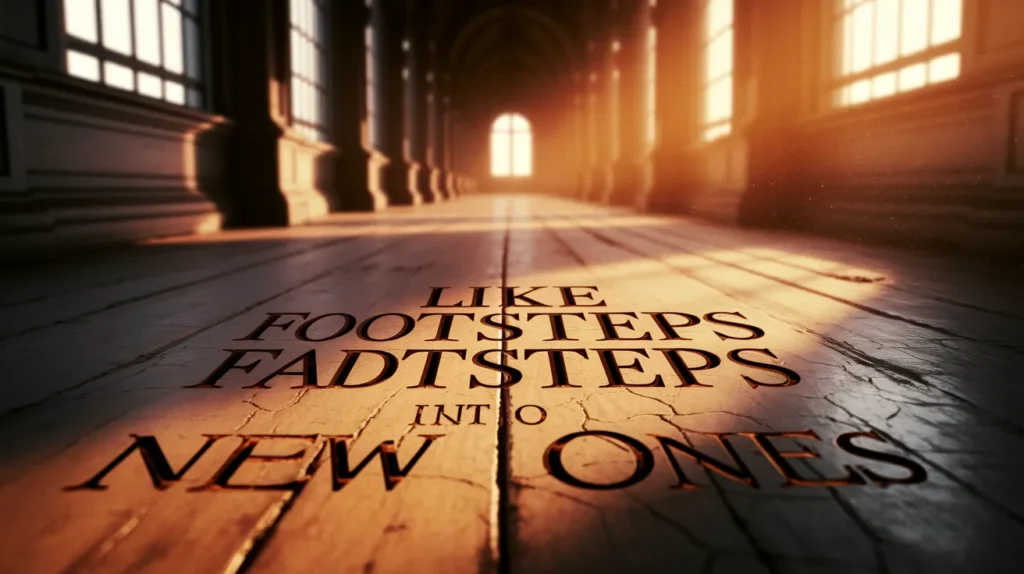
Meaning: Replacing the old with the new.
Usage Insight: Works well in reflective narratives.
Examples:
- Memories changed like footsteps fading into new ones.
- The tone evolved like footsteps fading into new ones.
- Life moved like footsteps fading into new ones.
- The plot shifted like footsteps fading into new ones.
- His thoughts changed like footsteps fading into new ones.
17. Like Ink Blending on Wet Paper
Meaning: Seamless blending of ideas.
Usage Insight: Best for artistic descriptions.
Examples:
- Ideas merged like ink blending on wet paper.
- The themes flowed like ink blending on wet paper.
- Her feelings mixed like ink blending on wet paper.
- The story moved like ink blending on wet paper.
- The imagery blended like ink on wet paper.
18. Like a Staircase Curving Upward
Meaning: Gradual progression.
Usage Insight: Great for logical development.
Examples:
- The argument rose like a staircase curving upward.
- Her growth felt like a staircase curving upward.
- The lesson built like a staircase curving upward.
- The plot advanced like a staircase curving upward.
- His confidence grew like a staircase curving upward.
19. Like a Lantern Leading the Way
Meaning: Guided transition.
Usage Insight: Ideal for instructional writing.
Examples:
- The metaphor worked like a lantern leading the way.
- His words acted like a lantern leading the way.
- The chapter opened like a lantern leading the way.
- Her advice shone like a lantern leading the way.
- The example served like a lantern leading the way.
20. Like a River Meeting the Sea
Meaning: A natural conclusion or expansion.
Usage Insight: Perfect for endings or big ideas.
Examples:
- The story ended like a river meeting the sea.
- His thoughts widened like a river meeting the sea.
- The theme expanded like a river meeting the sea.
- Her journey felt like a river meeting the sea.
- The essay concluded like a river meeting the sea.
21. Like a Curtain Lifting Slowly
Meaning: Revealing a new idea.
Usage Insight: Works in dramatic writing.
Examples:
- Truth appeared like a curtain lifting slowly.
- The plot revealed itself like a curtain lifting slowly.
- Her feelings showed like a curtain lifting slowly.
- The scene opened like a curtain lifting slowly.
- Meaning emerged like a curtain lifting slowly.
22. Like a Path Winding Through Trees
Meaning: Gentle, exploratory shift.
Usage Insight: Ideal for reflective essays.
Examples:
- The narrative moved like a path winding through trees.
- Thoughts wandered like a path winding through trees.
- The lesson unfolded like a path winding through trees.
- His mind traveled like a path winding through trees.
- The story flowed like a path winding through trees.
23. Like Ice Melting Into Water
Meaning: Softening of tone or emotion.
Usage Insight: Best for emotional development.
Examples:
- Anger faded like ice melting into water.
- Her heart softened like ice melting into water.
- The mood eased like ice melting into water.
- Tension broke like ice melting into water.
- His voice warmed like ice melting into water.
24. Like a Bird Shifting Mid-Flight
Meaning: Quick but graceful change.
Usage Insight: Works in dynamic narratives.
Examples:
- The story turned like a bird shifting mid-flight.
- His thoughts moved like a bird shifting mid-flight.
- The scene changed like a bird shifting mid-flight.
- The argument shifted like a bird mid-flight.
- The tone turned like a bird shifting mid-flight.
25. Like Shadows Stretching at Dusk
Meaning: Slow, atmospheric transition.
Usage Insight: Ideal for moody writing.
Examples:
- The day ended like shadows stretching at dusk.
- The mood deepened like shadows stretching at dusk.
- Her thoughts darkened like shadows stretching at dusk.
- The story shifted like shadows stretching at dusk.
- Silence grew like shadows stretching at dusk.
26. Like a Clock Hand Moving Forward
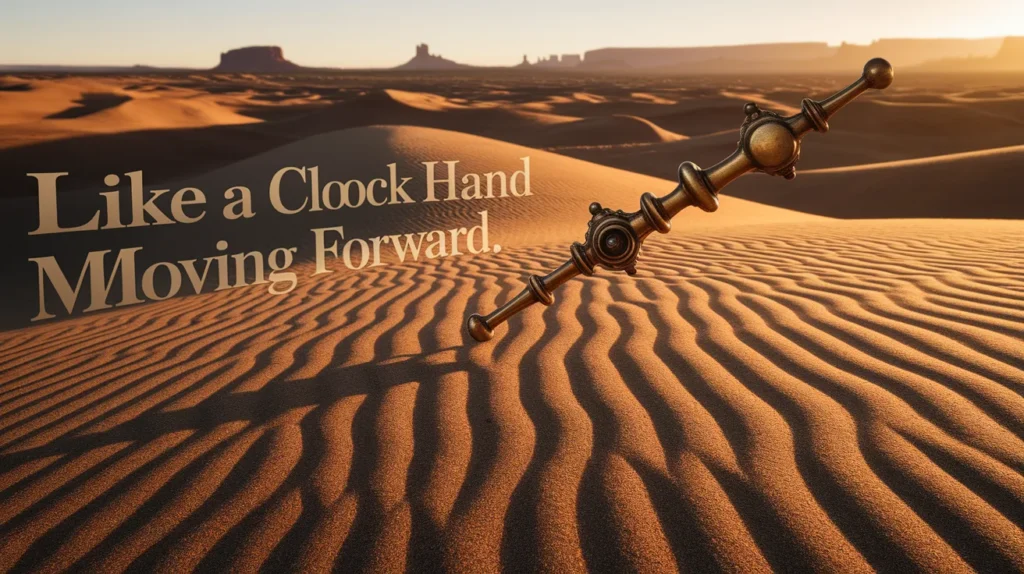
Meaning: Steady progression.
Usage Insight: Best for time transitions.
Examples:
- Time moved like a clock hand moving forward.
- The narrative advanced like a clock hand moving forward.
- His life ticked like a clock hand moving forward.
- The lesson continued like a clock hand moving forward.
- The plot progressed like a clock hand moving forward.
27. Like Rain Turning Dust to Mud
Meaning: Transformative change.
Usage Insight: Works for emotional shifts.
Examples:
- Tears fell like rain turning dust to mud.
- The moment changed like rain turning dust to mud.
- Hope grew like rain turning dust to mud.
- Feelings deepened like rain turning dust to mud.
- The scene shifted like rain turning dust to mud.
28. Like a Knot Loosening Slowly
Meaning: Gradual release of tension.
Usage Insight: Ideal for conflict resolution.
Examples:
- Tension eased like a knot loosening slowly.
- Her worries faded like a knot loosening slowly.
- The plot relaxed like a knot loosening slowly.
- His fear softened like a knot loosening slowly.
- Silence broke like a knot loosening slowly.
29. Like a Map Unfolding
Meaning: Revealing structure or direction.
Usage Insight: Best for explanatory writing.
Examples:
- The argument opened like a map unfolding.
- His plan spread like a map unfolding.
- The story revealed like a map unfolding.
- The lesson clarified like a map unfolding.
- Meaning appeared like a map unfolding.
30. Like Footsteps Crossing a Threshold
Meaning: Entering a new phase.
Usage Insight: Perfect for beginnings or endings.
Examples:
- Life changed like footsteps crossing a threshold.
- The chapter began like footsteps crossing a threshold.
- Her journey felt like footsteps crossing a threshold.
- The story shifted like footsteps crossing a threshold.
- His thoughts moved like footsteps crossing a threshold.
How to Use Similes Effectively in Writing
- Poems: Choose nature similes for emotional depth and rhythm.
- Stories: Use similes to smooth scene changes and character growth.
- Essays: Apply clear comparisons to guide readers between ideas.
- Songs: Keep similes simple, musical, and emotionally direct.
- Creative Descriptions: Match the simile’s tone to the mood you want to create.
FAQs
1. What does “segue” mean in writing?
A segue is a smooth transition from one idea, scene, or topic to another.
2. Is “segway” the same as “segue”?
No. Segue is the correct word for transitions; Segway is a brand name.
3. How do similes help with segues?
They create vivid comparisons that guide readers smoothly between ideas.
4. What is the difference between a simile and a metaphor?
A simile uses like or as; a metaphor states the comparison directly.
5. Can similes be used in academic writing?
Yes, when used carefully to clarify complex ideas.
Conclusion
The best similes for segway or segue moments turn transitions into experiences readers can see and feel. They add clarity, imagery, and emotional depth, helping ideas flow naturally rather than collide.
Whether you’re writing stories, essays, poems, or speeches, these similes act as bridges that carry meaning forward. By choosing the right comparison, you guide your reader with confidence and grace. Mastering these similes means mastering movement in language—and that’s where truly powerful writing begins.