
Similes are one of the most beautiful tools in figurative language because they help us explain feelings, colors, and experiences in a way that feels alive. By comparing one thing to another using words like “as” or “like,” similes turn ordinary descriptions into vivid mental pictures.
Color similes, especially those connected to red, are particularly powerful because red is deeply tied to human emotion and nature. It represents strength, passion, love, danger, courage, growth, and resilience all at once.
In literature and everyday writing, red often symbolizes intense emotions and turning points in life. That is why learning powerful similes for red can enrich stories, poems, essays, and creative descriptions. With the right comparison, a simple color can carry wisdom, emotion, and unforgettable imagery.
What Is a Simile?
A simile is a figure of speech that compares two different things using “like” or “as” to make a description clearer or more expressive.
Example: Her anger was red like a rising fire, impossible to ignore.
1. Red like a blazing sunset
Meaning: Represents intense beauty mixed with warmth and finality.
Usage Insight: Works best in emotional or reflective writing, especially scenes of endings or transitions.
- The sky turned red like a blazing sunset as the day quietly ended.
- His face flushed red like a blazing sunset after the long run.
- The horizon burned red like a blazing sunset over the hills.
- Her dress glowed red like a blazing sunset at the evening gala.
- The memory stayed red like a blazing sunset in his mind.
2. Red like fresh-spilled paint
Meaning: Suggests boldness, vividness, and immediacy.
Usage Insight: Ideal for modern descriptions and strong visual contrasts.
- The wall looked red like fresh-spilled paint.
- Her lipstick shone red like fresh-spilled paint under the lights.
- The car flashed red like fresh-spilled paint on the road.
- His artwork screamed red like fresh-spilled paint.
- The warning sign stood red like fresh-spilled paint.
3. Red like a blooming rose
Meaning: Symbolizes love, beauty, and tenderness.
Usage Insight: Best for romantic or poetic writing.
- Her cheeks were red like a blooming rose.
- The garden glowed red like a blooming rose in spring.
- His words felt red like a blooming rose in her heart.
- The ribbon lay red like a blooming rose on the table.
- The evening felt red like a blooming rose in memory.
4. Red like a beating heart
Meaning: Represents life, passion, and deep emotion.
Usage Insight: Effective in emotional storytelling and introspection.
- The room pulsed red like a beating heart.
- His courage burned red like a beating heart.
- The city lights flickered red like a beating heart.
- Her love felt red like a beating heart inside her chest.
- The moment stayed red like a beating heart in silence.
5. Red like wildfire
Meaning: Suggests speed, intensity, and uncontrollable energy.
Usage Insight: Useful for action scenes or spreading emotions.
- The news spread red like wildfire.
- His anger grew red like wildfire.
- The trend caught on red like wildfire.
- The sky turned red like wildfire at dusk.
- Fear ran red like wildfire through the crowd.
6. Red like ripe cherries
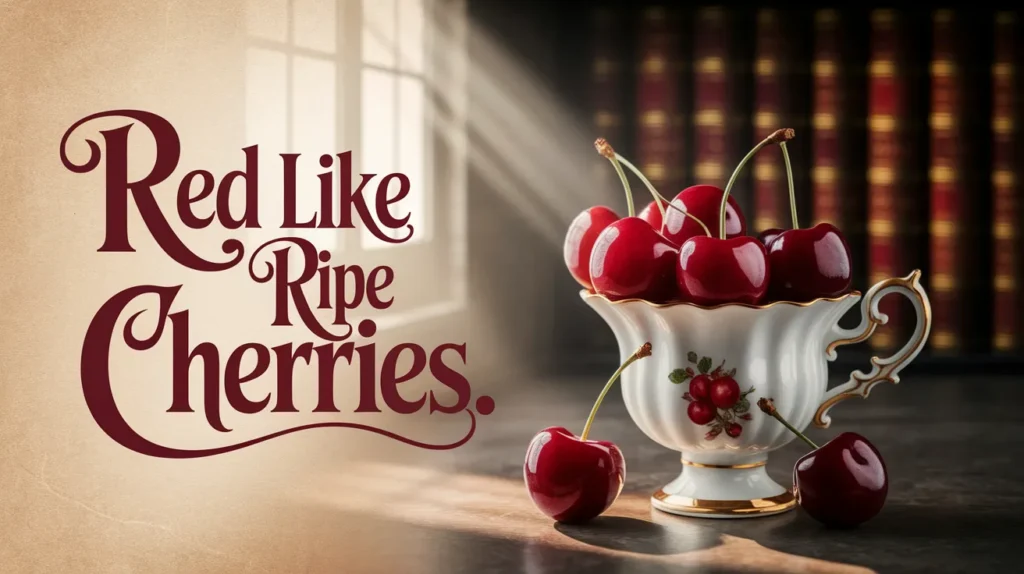
Meaning: Indicates freshness, sweetness, and attraction.
Usage Insight: Works well in light, sensory descriptions.
- Her smile was red like ripe cherries.
- The fruit shone red like ripe cherries.
- His scarf hung red like ripe cherries.
- The bowl glistened red like ripe cherries.
- The painting glowed red like ripe cherries.
7. Red like molten lava
Meaning: Represents danger, power, and raw force.
Usage Insight: Best for dramatic or intense scenes.
- His rage flowed red like molten lava.
- The ground cracked red like molten lava.
- Her emotions surged red like molten lava.
- The sky burned red like molten lava.
- The moment felt red like molten lava.
8. Red like a warning light
Meaning: Symbolizes caution, danger, or urgency.
Usage Insight: Effective in suspense or tension-filled writing.
- His eyes flashed red like a warning light.
- The signal glowed red like a warning light.
- Her instincts screamed red like a warning light.
- The screen blinked red like a warning light.
- The silence felt red like a warning light.
9. Red like autumn leaves
Meaning: Represents change, maturity, and reflection.
Usage Insight: Ideal for nature similes and reflective prose.
- The trees blazed red like autumn leaves.
- Her thoughts turned red like autumn leaves.
- The path lay red like autumn leaves.
- His memories felt red like autumn leaves.
- The season arrived red like autumn leaves.
10. Red like a soldier’s flag
Meaning: Symbolizes bravery, sacrifice, and honor.
Usage Insight: Works well in historical or motivational writing.
- The banner flew red like a soldier’s flag.
- His resolve stood red like a soldier’s flag.
- The emblem shone red like a soldier’s flag.
- Her courage burned red like a soldier’s flag.
- The moment felt red like a soldier’s flag.
11. Red like crushed berries
Meaning: Suggests richness and natural intensity.
Usage Insight: Good for sensory and descriptive writing.
- The stain spread red like crushed berries.
- Her fingers turned red like crushed berries.
- The cloth soaked red like crushed berries.
- His artwork bled red like crushed berries.
- The juice spilled red like crushed berries.
12. Red like a rising sun
Meaning: Represents hope, beginnings, and strength.
Usage Insight: Best for inspirational and hopeful scenes.
- The sky glowed red like a rising sun.
- His future felt red like a rising sun.
- The horizon burned red like a rising sun.
- Her dreams shone red like a rising sun.
- The morning arrived red like a rising sun.
13. Red like burning embers
Meaning: Suggests quiet intensity and lingering emotion.
Usage Insight: Effective for subtle emotional moments.
- His anger glowed red like burning embers.
- The fire faded red like burning embers.
- Her feelings stayed red like burning embers.
- The coals rested red like burning embers.
- The memory lingered red like burning embers.
14. Red like a fresh wound
Meaning: Symbolizes pain and vulnerability.
Usage Insight: Use carefully in emotional or serious writing.
- The truth felt red like a fresh wound.
- His loss burned red like a fresh wound.
- The memory stayed red like a fresh wound.
- Her words cut red like a fresh wound.
- The silence felt red like a fresh wound.
15. Red like velvet wine
Meaning: Represents luxury, depth, and richness.
Usage Insight: Ideal for elegant or refined descriptions.
- The dress shimmered red like velvet wine.
- The room glowed red like velvet wine.
- Her voice felt red like velvet wine.
- The curtains hung red like velvet wine.
- The night tasted red like velvet wine.
16. Red like a dragon’s flame
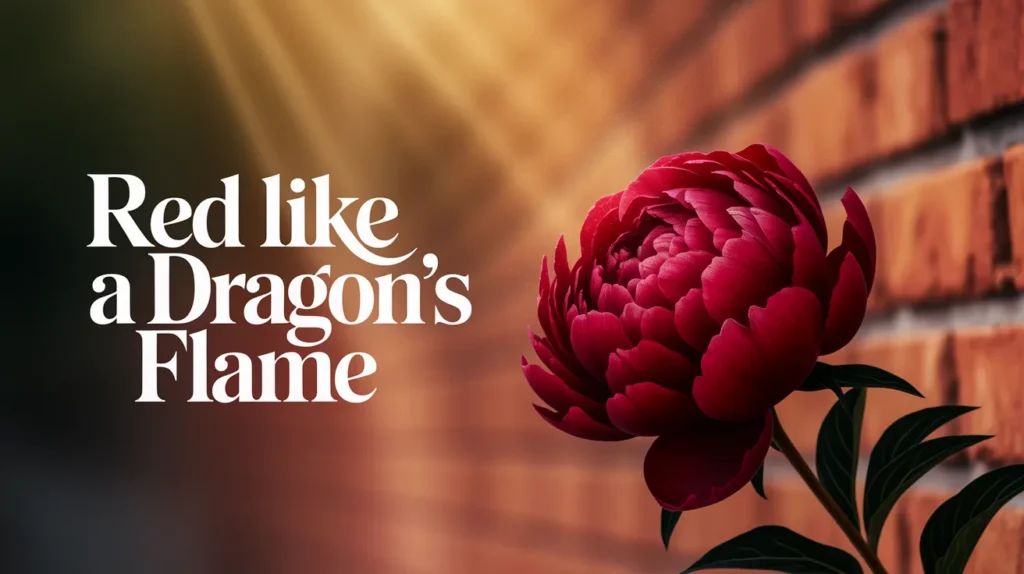
Meaning: Symbolizes mythical power and danger.
Usage Insight: Best for fantasy or dramatic imagery.
- His fury roared red like a dragon’s flame.
- The sky burned red like a dragon’s flame.
- Her courage shone red like a dragon’s flame.
- The fire curled red like a dragon’s flame.
- The battle raged red like a dragon’s flame.
17. Red like fresh blood
Meaning: Represents life, urgency, and raw reality.
Usage Insight: Use sparingly for strong emotional impact.
- The flag flew red like fresh blood.
- His sacrifice felt red like fresh blood.
- The symbol stood red like fresh blood.
- The truth burned red like fresh blood.
- The memory stayed red like fresh blood.
18. Red like a heated forge
Meaning: Suggests strength and transformation.
Usage Insight: Works well in growth or struggle narratives.
- His spirit glowed red like a heated forge.
- The metal burned red like a heated forge.
- Her resolve hardened red like a heated forge.
- The room pulsed red like a heated forge.
- The moment shaped him red like a heated forge.
19. Red like a carnival ribbon
Meaning: Represents celebration and excitement.
Usage Insight: Great for joyful or festive scenes.
- The streets shone red like a carnival ribbon.
- Her scarf fluttered red like a carnival ribbon.
- The lights flashed red like a carnival ribbon.
- The gift wrapped red like a carnival ribbon.
- The mood felt red like a carnival ribbon.
20. Red like thundercloud fire
Meaning: Symbolizes tension and looming power.
Usage Insight: Ideal for suspenseful writing.
- The sky glowed red like thundercloud fire.
- His mood darkened red like thundercloud fire.
- The horizon burned red like thundercloud fire.
- The moment felt red like thundercloud fire.
- The silence crackled red like thundercloud fire.
21. Red like a poet’s ink
Meaning: Represents emotion turned into expression.
Usage Insight: Perfect for literary and reflective writing.
- His thoughts spilled red like a poet’s ink.
- The page bled red like a poet’s ink.
- Her feelings flowed red like a poet’s ink.
- The story glowed red like a poet’s ink.
- The verse burned red like a poet’s ink.
22. Red like a racing pulse
Meaning: Suggests excitement or fear.
Usage Insight: Great for fast-paced moments.
- His face turned red like a racing pulse.
- The room felt red like a racing pulse.
- Her heart beat red like a racing pulse.
- The night rushed red like a racing pulse.
- The moment throbbed red like a racing pulse.
23. Red like a storm flare
Meaning: Represents urgency and visibility.
Usage Insight: Useful for crisis or alert scenes.
- The signal burned red like a storm flare.
- Her warning flashed red like a storm flare.
- The sky glowed red like a storm flare.
- His words shone red like a storm flare.
- The danger loomed red like a storm flare.
24. Red like desert clay
Meaning: Symbolizes endurance and earthiness.
Usage Insight: Ideal for grounded, natural descriptions.
- The ground stretched red like desert clay.
- His skin burned red like desert clay.
- The road lay red like desert clay.
- Her roots felt red like desert clay.
- The land breathed red like desert clay.
25. Red like a fierce sunrise
Meaning: Represents bold beginnings and power.
Usage Insight: Best for motivational imagery.
- The sky ignited red like a fierce sunrise.
- His ambition rose red like a fierce sunrise.
- The horizon flared red like a fierce sunrise.
- Her future glowed red like a fierce sunrise.
- The day began red like a fierce sunrise.
26. Red like polished rubies
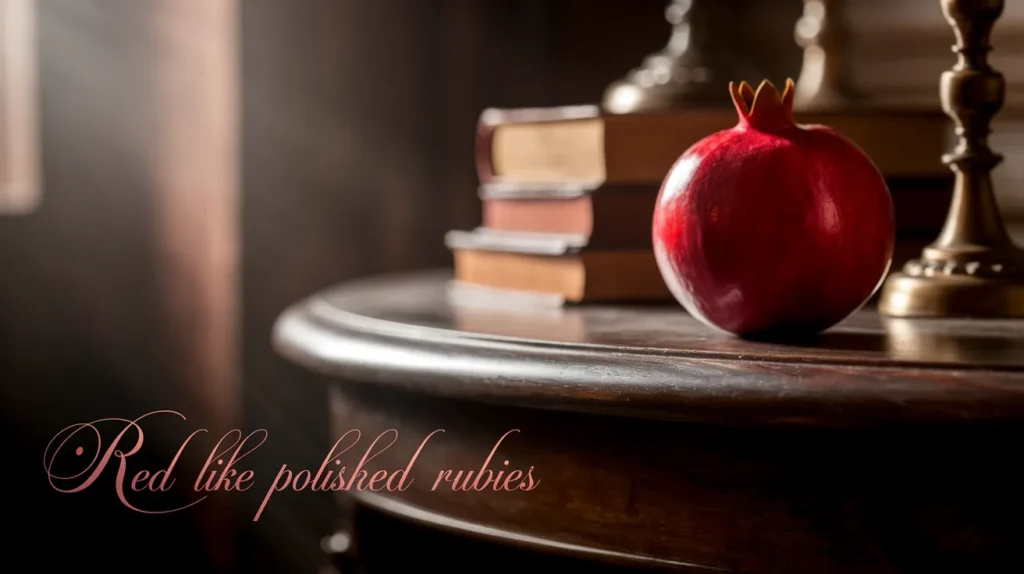
Meaning: Suggests elegance and value.
Usage Insight: Works well in refined descriptions.
- Her earrings sparkled red like polished rubies.
- The ring glowed red like polished rubies.
- The wine shone red like polished rubies.
- The fabric gleamed red like polished rubies.
- The light danced red like polished rubies.
27. Red like a burning banner
Meaning: Represents protest or pride.
Usage Insight: Ideal for powerful symbolic scenes.
- The flag waved red like a burning banner.
- His belief stood red like a burning banner.
- The cause rose red like a burning banner.
- The moment felt red like a burning banner.
- The crowd surged red like a burning banner.
28. Red like a lover’s blush
Meaning: Symbolizes intimacy and affection.
Usage Insight: Best for romantic writing.
- Her cheeks glowed red like a lover’s blush.
- The moment felt red like a lover’s blush.
- His smile turned red like a lover’s blush.
- The evening warmed red like a lover’s blush.
- Her laughter rang red like a lover’s blush.
29. Red like a fierce warning flame
Meaning: Suggests danger mixed with power.
Usage Insight: Effective for dramatic emphasis.
- The sign glowed red like a fierce warning flame.
- His temper flared red like a fierce warning flame.
- The sky burned red like a fierce warning flame.
- Her words flashed red like a fierce warning flame.
- The silence burned red like a fierce warning flame.
30. Red like life itself
Meaning: Represents existence, emotion, and vitality.
Usage Insight: Best for philosophical or reflective writing.
- His story felt red like life itself.
- The painting pulsed red like life itself.
- Her journey burned red like life itself.
- The moment glowed red like life itself.
- The world felt red like life itself.
How to Use Similes Effectively in Writing
Use similes when you want to make emotions or descriptions more vivid and relatable. In poems, choose similes that echo mood and rhythm. In stories, use them to reveal character emotions or set scenes naturally.
Essays benefit from similes when explaining abstract ideas clearly. In songs, similes add emotional resonance and memorability. Always choose comparisons that feel natural and avoid overusing them in one paragraph.
FAQs
1. What are powerful similes for red?
They are comparisons that use “like” or “as” to describe red in vivid, emotional, or symbolic ways.
2. How are similes different from metaphors?
Similes use “like” or “as,” while metaphors directly state one thing is another.
3. Are similes used in literature?
Yes, similes are common in poetry, novels, and classic literature.
4. Can similes be used in academic writing?
Yes, when used carefully, they help explain complex ideas clearly.
5. Why is red a powerful symbol in similes?
Red represents emotion, strength, passion, danger, and life.
Conclusion
Powerful similes for red transform simple color descriptions into rich expressions of emotion, strength, and meaning. They help writers paint clearer pictures, deepen emotional impact, and connect readers to ideas on a human level.
Whether inspired by nature, literature, or personal experience, these comparisons bring language to life. By mastering similes, you gain a timeless tool for clarity and creativity. When used thoughtfully, red similes add fire, beauty, and unforgettable imagery to every form of writing.